






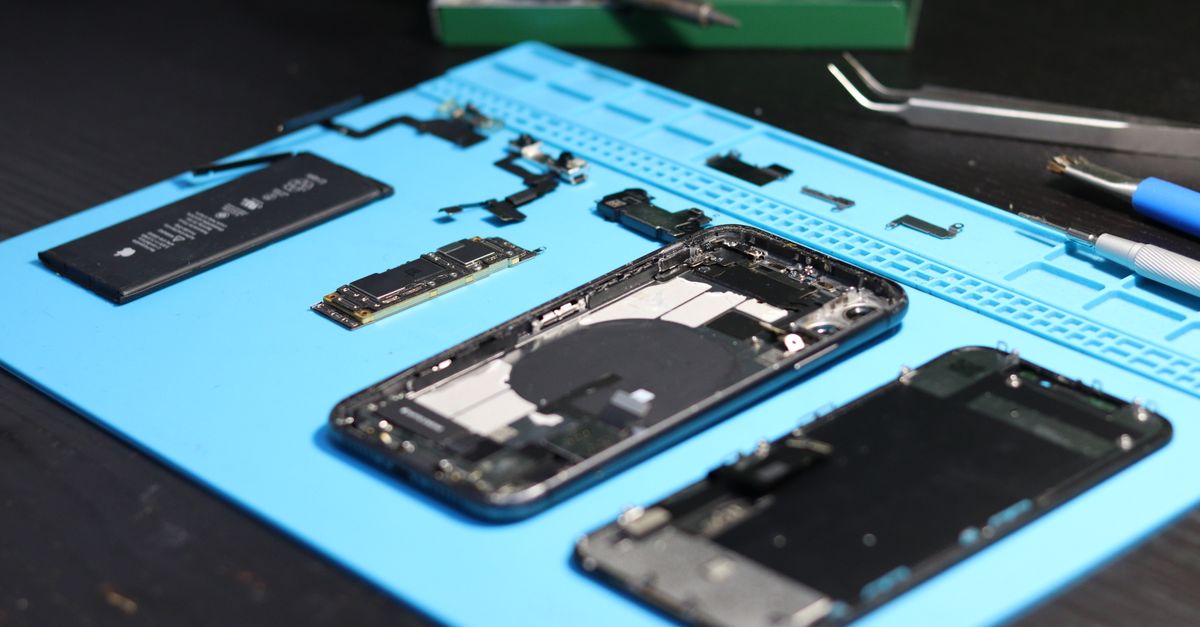
When the price of a new phone climbs into the four‑figure range, the temptation to replace instead of repair grows. Yet most smartphones are designed for quick, inexpensive disassembly and component replacement, while others lock the user into costly service centers. For those who value longevity, choosing a phone that’s easy to fix is as important as picking a phone with a great display or battery. This guide explains the metrics that matter, reviews the repairability of the most popular 2026 models, and offers actionable steps to keep your phone running longer.
Why Repairability Should Matter to Every User
Repairability is more than a niche concern. It affects three core areas: cost, environmental impact, and user autonomy. A phone that can be easily repaired keeps you from spending hundreds on a new device, reduces e‑waste by extending the product life cycle, and gives you control over which parts you replace. Even if you don’t plan to fix the phone yourself, a repair‑friendly design often translates to lower service fees and faster turnaround at repair shops.
Key Repairability Metrics Explained
The most widely accepted benchmark for repairability is the iFixit Repairability Score, a composite of several sub‑scores:
- Battery Replacement – How many tools and screws are needed to access the battery.
- Screen Replacement – Whether the display can be removed without specialized equipment.
- Water Damage Repair – If the device can be disassembled to clean or replace water‑damaged components.
- Component Replacement – Availability of spare parts such as cameras, speakers, and SIM trays.
- Software Support – Length of OS updates and security patches.
- Repair Community – Availability of tutorials, parts, and repair shops.
Each category is scored from 0 to 10, and the aggregate score ranges from 0 (unrepairable) to 100 (fully repairable). A phone scoring above 80 is generally considered repair‑friendly, while a score below 40 signals a design that discourages DIY fixes.
Comparing the 2026 Repair‑Friendly Phones
| Phone Model | iFixit Score | Battery Access | Screen Access | Water Damage Repair | Part Availability |
|---|---|---|---|---|---|
| iPhone 15 | 52 | Moderate – requires a specialized Pentalobe screwdriver and heat gun | Moderate – screen removal requires a suction cup and pry tool | Low – internal sealing limits water‑damage disassembly | High – Apple parts are widely available but expensive |
| Samsung Galaxy S24 | 68 | Easy – standard Phillips screwdriver, battery removable | Easy – screen removal with suction cup and plastic pry bar | Moderate – some water‑damage repairs possible with a disassembly kit | High – Samsung parts are plentiful in many regions |
| Google Pixel 8 | 74 | Very Easy – battery accessible with a Phillips screwdriver and minimal heat | Moderate – screen removal needs a suction cup and small pry tool | High – water‑damage repair is straightforward with a quick disassembly | Moderate – parts are available but can be pricey outside official channels |
| OnePlus 12 | 81 | Very Easy – battery removable with a standard screwdriver | Easy – screen removal uses a suction cup and plastic pry bar | High – water‑damage repair is simple due to open design | High – OnePlus parts are widely distributed and relatively inexpensive |
| Sony Xperia 1 | 47 | Moderate – battery removal requires a heat gun and specialized screwdrivers | Moderate – screen removal needs a suction cup and pry tool | Low – water‑damage repair is difficult because of sealed internals | Low – spare parts are scarce and expensive |
From the table above, the OnePlus 12 leads in repairability, followed by the Pixel 8 and Galaxy S24. The iPhone 15 and Xperia 1 lag behind, largely due to proprietary screws and sealed internals that make battery and water‑damage repairs challenging.
Common Repair Tasks and How to Approach Them
Battery Replacement
Battery wear is the most frequent reason for a phone upgrade. In a repair‑friendly phone, you can replace the battery yourself with a basic set of tools: a Phillips screwdriver, a heat gun or hair dryer, and a plastic pry bar. For the OnePlus 12, the battery is accessible through a small screw on the rear panel; removing it releases a clip that holds the battery in place. Replacing the battery then involves sliding it out, inserting the new one, and reassembling the clip.
Screen Replacement
Screen cracks are inevitable after years of use. A phone that allows easy screen removal reduces the cost of a professional repair. The Galaxy S24’s design lets you lift the display with a suction cup and a plastic pry bar, then detach the flex cable with a small Phillips screwdriver. Once the new screen is attached, you simply reverse the steps.
Water‑Damage Fixes
Water damage can be catastrophic. The Pixel 8’s modular internal layout allows a quick disassembly of the mainboard and battery, letting you dry the device or replace damaged components. In contrast, the iPhone 15’s sealed chassis requires a specialized toolset and a heat‑sealing process that most consumers avoid.
Camera Module Replacement
Lens scratches or camera failure can be frustrating. The OnePlus 12’s camera module is secured with a small number of screws and a removable bracket, making it easy to swap out. Samsung’s S24 also offers a straightforward camera replacement, though you must be careful not to damage the delicate flex cable that connects the module.
Software Support and Its Impact on Repairability
Long‑term software updates are a silent factor in repairability. A phone that receives OS updates for three to five years keeps older parts relevant and secure. The Pixel 8 and iPhone 15 both offer five years of major Android or iOS updates, while the OnePlus 12 and Galaxy S24 provide three to four years. A phone that stops receiving updates soon after purchase forces users to upgrade, negating the benefits of a repair‑friendly design.
Repair Communities and Resources
Having a network of repair shops, forums, and part suppliers is crucial. The OnePlus community hosts a dedicated repair forum where users share step‑by‑step guides, and the parts market is vibrant with both official and third‑party suppliers. Samsung’s repair ecosystem is equally robust, with authorized service centers in most countries and a growing number of independent repair shops. Google’s Pixel repair network is smaller but well‑documented, with official repair instructions available on the Pixel support site. In contrast, the Xperia 1’s community is niche, and finding spare parts outside Japan can be difficult.
Common Mistakes When Choosing a Repair‑Friendly Phone
- Assuming a high price guarantees repairability. Premium phones often use proprietary screws and sealed components to protect water resistance and build quality.
- Neglecting software support. A phone that can be physically repaired but stops receiving security patches quickly becomes a security risk.
- Ignoring the repair community. Even if a phone is technically repairable, a lack of local repair shops or parts can make the process impractical.
- Overlooking the cost of repair tools. Some repair‑friendly phones still require specialized tools that can add to the overall expense.
Practical Steps to Maximize Repairability
- Check the iFixit Repairability Score before purchasing.
- Buy a basic repair kit: Phillips screwdriver, heat gun, plastic pry tools, and a suction cup.
- Read the manufacturer’s service manual or reputable repair guides.
- Keep a spare battery and screen in a dedicated case.
- Use a waterproof case if you’re prone to spills.
- Regularly back up your data to avoid loss during repair.
- Schedule routine maintenance: clean ports, replace worn seals, and inspect internal components.
- Join a local repair community or forum to stay updated on parts availability.
Case Study: OnePlus 12 vs. iPhone 15 Repair Costs
Below is a side‑by‑side estimate of common repair costs for two popular models. All figures are based on average market prices for parts and labor in 2026.
| Repair Type | OnePlus 12 (USD) | iPhone 15 (USD) |
|---|---|---|
| Battery Replacement | 35 | 120 |
| Screen Replacement | 90 | 250 |
| Water‑Damage Repair | 70 | 200 |
| Camera Module Replacement | 50 | 180 |
Even when accounting for a slightly higher price tag, the OnePlus 12’s repair costs are consistently lower than the iPhone 15’s. Over a five‑year lifespan, the savings can exceed $200, not counting the environmental benefit of reduced e‑waste.
When DIY Repair Isn’t Feasible
Some users prefer to avoid the risk of damaging their device. In such cases, consider these alternatives:
- Professional repair shops that specialize in the model you own.
- Manufacturer repair programs that offer discounted service for certain repairs.
- Extended warranty plans that cover battery and screen replacements.
- Third‑party repair services that use genuine or high‑quality aftermarket parts.
Choosing a phone with a strong repair ecosystem often means you have more options than just DIY.
Future Trends in Smartphone Repairability
Manufacturers are slowly responding to consumer demand for repairable devices. In 2026, several trends are shaping the market:
- Modular design. Companies like Samsung and OnePlus are experimenting with modular components that can be swapped without disassembling the entire phone.
- Standardized screws. The adoption of the Phillips #0 or Pentalobe screws in some models reduces the need for specialized tools.
- Open repair programs. Some manufacturers now provide free repair manuals and parts lists for a limited time after purchase.
- Software‑driven diagnostics. Built‑in diagnostic tools can guide users through basic troubleshooting before a repair is needed.
While not all brands are embracing these changes, the trend is clear: repairability is becoming a selling point rather than a side feature.
Conclusion: Make Repairability a Priority
Choosing a smartphone that’s easy to repair extends the life of the device, saves you money, and reduces environmental impact. By focusing on iFixit Repairability Scores, part availability, and software support, you can identify phones that let you take charge of your device’s longevity. Whether you’re a DIY enthusiast or a casual user, a repair‑friendly phone gives you peace of mind and keeps your tech budget in check.
Remember, the smartest choice isn’t always the cheapest; it’s the one that offers the best balance of performance, longevity, and repairability. Armed with this knowledge, you can make an informed decision that benefits both your wallet and the planet.
Leave a comment