






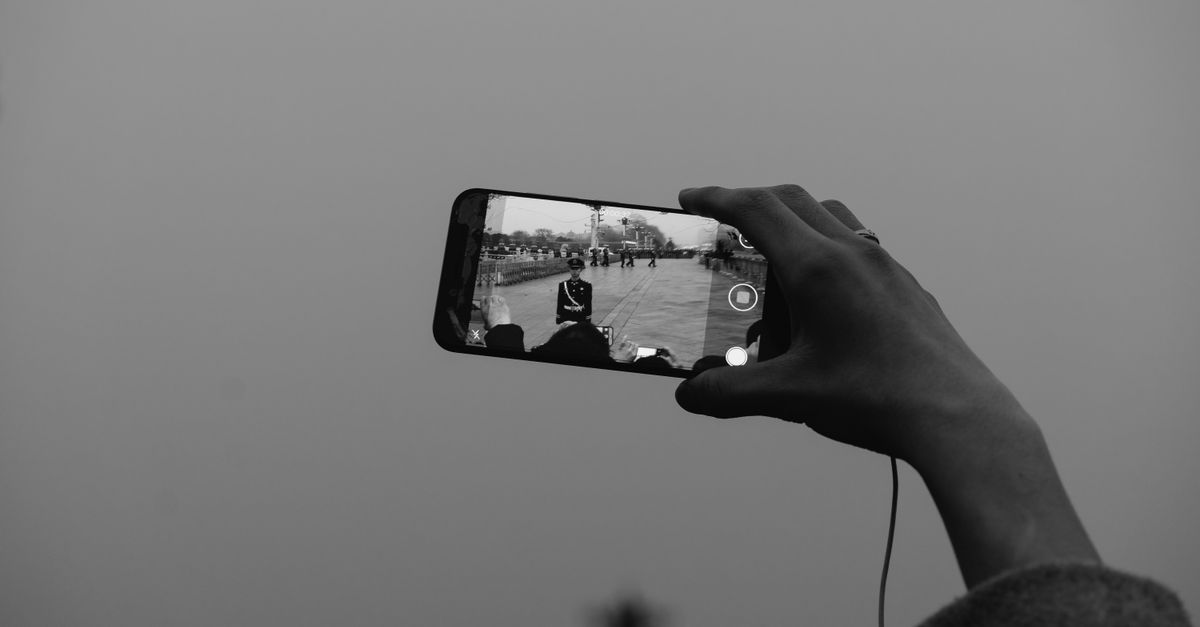
In a world where moments are captured on the go, the smartphone has become the primary tool for photography and video. By 2026, manufacturers have packed more sensors, lenses, and AI into their devices, making the landscape both exciting and confusing. This guide walks you through the essential criteria for selecting a phone that excels in everyday photography and video, compares the leading models, and highlights common pitfalls to avoid.
Understanding Everyday Photography Needs
Before diving into specs, consider the scenarios you’ll capture most often. Are you shooting portraits in low light, landscapes on a hike, or quick social‑media clips? Your priorities,image quality, ease of use, or battery longevity,will dictate which features matter most. For most users, a balanced combination of sensor size, aperture, and software processing delivers the best all‑round experience.
Key Camera Features to Evaluate
Sensor Size and Pixel Count
In 2026, flagship phones commonly use 1/1.7″ or larger sensors. Larger sensors capture more light, improving low‑light performance and dynamic range. Pixel count,12‑ to 48‑megapixel,affects detail but can introduce noise if the sensor is small. A 48‑MP sensor paired with 1/1.7″ size tends to offer the best compromise between resolution and clarity.
Lens Aperture and Optical Stabilization
An aperture of f/1.8 or wider allows more light, which is crucial for night photography. Optical image stabilization (OIS) compensates for hand shake, especially in video. Phones with dual‑stage OIS deliver smoother footage in handheld conditions.
Software and AI Enhancements
Modern cameras rely heavily on computational photography. Features like HDR‑10+, Night mode, and AI scene detection can dramatically improve results. Evaluate how the manufacturer’s software integrates with hardware,does it offer real‑time processing, or does it rely on cloud rendering?
Software and AI Enhancements
Beyond raw sensor data, software determines the final image. In 2026, most leading brands provide dedicated camera apps with multiple shooting modes, RAW support, and post‑capture editing. AI-driven tools can automatically adjust exposure, color balance, and even remove unwanted objects. However, some users prefer a more manual approach; check whether the phone offers a “Pro” mode with manual controls for ISO, shutter speed, and white balance.
Battery Life and Performance
High‑resolution cameras and video recording consume significant power. Look for phones with at least a 4000‑mAh battery and fast‑charging support (25W or higher). Many manufacturers now include a battery health monitoring feature that warns when performance drops. For power users, a removable battery or a phone with a larger capacity can extend shooting sessions without a charger.
Display and Media
For reviewing photos on the device, a high‑resolution OLED panel with a 120Hz refresh rate and HDR10+ support offers the most accurate representation. Video playback benefits from a wide color gamut and high brightness, especially for outdoor viewing. Some phones also include a dedicated camera preview mode that locks focus and exposure for a consistent preview.
Audio and Video Recording
While cameras dominate, audio quality is essential for video. Look for dual‑mic setups with noise cancellation, and support for 4K video at 60fps. Some phones now support 8K recording, but the file size can be prohibitive; evaluate whether your storage plan can accommodate such footage.
Build Quality and Design
Durability matters when you’re shooting outdoors. IP68 certification, Gorilla Glass Victus, and a matte finish reduce glare. Ergonomic design,such as a thumb‑friendly rear camera cluster,can improve handheld stability. Consider a phone that offers a lightweight chassis yet maintains structural integrity.
Connectivity and Future Proofing
5G connectivity ensures fast upload speeds for photos and videos. Wi‑Fi 6E support allows quick wireless transfer to tablets or laptops. A USB‑C port with DisplayPort alternate mode lets you connect to external monitors for on‑the‑go editing.
Price vs Value
Flagship models deliver the best performance but come with a premium price tag. Mid‑range phones often offer comparable camera performance at a fraction of the cost. When evaluating value, compare the price per megapixel, battery capacity, and the cost of optional accessories like external lenses or tripod mounts.
Common Mistakes When Choosing a Phone for Photography
- Overemphasizing megapixel count without considering sensor size.
- Ignoring software updates that can improve camera performance over time.
- Choosing a phone solely for a “cool” camera icon, not for overall usability.
- Underestimating the importance of a reliable battery for long shooting sessions.
- Neglecting to test the phone in real‑world lighting before buying.
Final Verdict: The Top Picks for 2026
| Phone | Camera Specs | Battery | Price (USD) |
|---|---|---|---|
| iPhone 16 Pro | 48 MP main, 12 MP ultra‑wide, 12 MP telephoto, 1/1.7″ sensor, f/1.8 | 4500 mAh, 20W fast charge | 1199 |
| Samsung Galaxy S26 | 108 MP main, 12 MP ultra‑wide, 10 MP telephoto, 1/1.7″ sensor, f/1.8 | 5000 mAh, 25W fast charge | 1299 |
| Google Pixel 8 | 50 MP main, 12 MP ultra‑wide, 8 MP telephoto, 1/1.7″ sensor, f/1.7 | 4200 mAh, 30W fast charge | 899 |
| OnePlus 12 | 50 MP main, 48 MP ultra‑wide, 8 MP telephoto, 1/1.7″ sensor, f/1.8 | 4500 mAh, 65W fast charge | 799 |
| Xiaomi Mi 14 | 108 MP main, 48 MP ultra‑wide, 10 MP telephoto, 1/1.7″ sensor, f/1.8 | 5200 mAh, 120W fast charge | 699 |
Each of these devices offers a robust camera system, but the best choice depends on your specific priorities. If you value brand ecosystem and software polish, the iPhone 16 Pro is a strong contender. For sheer sensor power and a balanced price, the Xiaomi Mi 14 provides a compelling mix of performance and affordability.
Conclusion
Choosing a smartphone for everyday photography and video is less about chasing the latest headline numbers and more about aligning features with how you use the device. Focus on sensor size, aperture, software processing, battery life, and real‑world performance. Test the phones in lighting conditions you encounter most often, and remember that a well‑chosen accessory,such as a clip‑on lens or a portable tripod,can extend the capabilities of even a mid‑range phone. With the right combination of hardware and software, the 2026 market offers powerful options for anyone who wants to capture life’s moments in vivid detail.
Leave a comment