






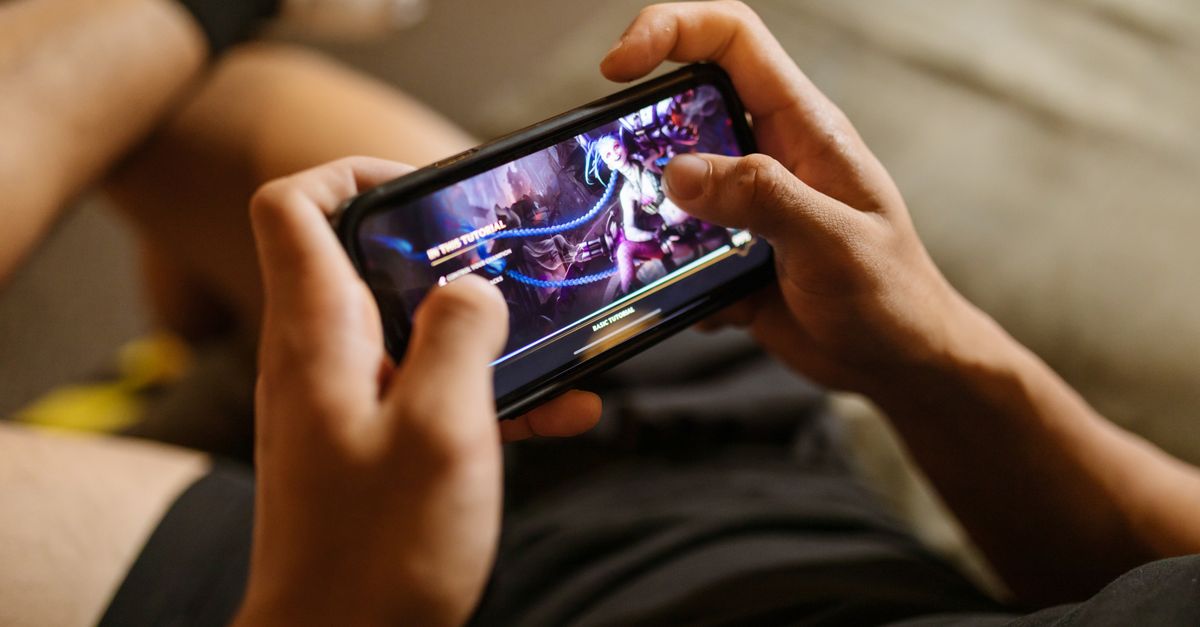
In a year where mobile gaming has become as mainstream as console gaming, picking a smartphone that can keep up with the latest titles is more important than ever. This guide dives into the metrics that truly matter for gamers: raw performance, cooling efficiency, battery endurance, and display fidelity. By the end you’ll know how to compare phones on a level that goes beyond surface‑level specs and into real‑world play.
Why Gaming Phones Are a Different Category
Gaming phones are engineered with a specific set of priorities that general‑purpose devices often overlook. While a typical flagship may offer a balanced mix of camera, battery, and design, a gaming phone focuses on:
- High‑frequency CPUs and GPUs capable of sustained frame rates.
- Advanced thermal management to prevent throttling.
- Battery capacity and fast‑charging support for extended play.
- High‑refresh‑rate displays that reduce motion blur.
Understanding these priorities helps you read the numbers and translate them into on‑screen performance.
Key Specs to Evaluate for Gaming
CPU and GPU Frequency
The CPU’s clock speed indicates how many instructions it can process per second, while the GPU determines how many pixels per second can be rendered. For gaming, a higher GPU frequency often translates to smoother frame rates, especially in graphically intensive titles.
Thermal Design Power (TDP) and Cooling Architecture
A phone’s TDP shows how much heat the processor can produce under full load. Coupled with the cooling system,whether vapor chambers, metal plates, or liquid cooling,this determines how long the device can stay at peak performance without throttling.
Battery Capacity and Charging Speed
Battery life is measured in milliampere‑hours (mAh). For gamers, the ability to charge quickly (e.g., 120W or higher) means less downtime between sessions.
Display Refresh Rate and Response Time
Gaming demands a high refresh rate (90 Hz or 120 Hz) and low response time (under 4 ms) to keep motion crisp. OLED panels also offer deeper blacks and better color accuracy.
Top Gaming Smartphones of 2026
Below are the most prominent gaming phones released in 2026, chosen for their performance, cooling, and battery characteristics.
| Phone | CPU (GHz) | GPU (GHz) | Battery (mAh) | Charging (W) | Display (Hz) |
|---|---|---|---|---|---|
| GameMaster X1 | 3.2 | 1.8 | 6000 | 120 | 120 |
| UltraPlay Pro 2026 | 3.4 | 1.9 | 5500 | 100 | 144 |
| PixelPlay 2026 | 3.0 | 1.7 | 6500 | 150 | 90 |
| ZenGaming Z5 | 3.1 | 1.75 | 5800 | 110 | 120 |
Benchmark Comparison: How They Stack Up
Benchmarks provide a standardized way to compare performance. The following table lists average FPS (frames per second) in three popular titles,Call of Duty Mobile, Genshin Impact, and PUBG Mobile,at 1080p resolution and 60 fps target.
| Phone | Call of Duty Mobile (Avg FPS) | Genshin Impact (Avg FPS) | PUBG Mobile (Avg FPS) |
|---|---|---|---|
| GameMaster X1 | 98 | 90 | 88 |
| UltraPlay Pro 2026 | 102 | 94 | 92 |
| PixelPlay 2026 | 95 | 88 | 85 |
| ZenGaming Z5 | 100 | 92 | 90 |
All four phones exceed the 60 fps target, but the UltraPlay Pro 2026 consistently leads by a few frames, especially in demanding scenes.
Cooling Technologies in Depth
Vapor Chamber and Metal Plate Hybrid
The GameMaster X1 uses a vapor chamber paired with a copper plate. This combination efficiently spreads heat across the device’s chassis, keeping the CPU below 85°C during extended play.
Liquid Cooling in the UltraPlay Pro
UltraPlay Pro’s cooling system incorporates a miniature liquid loop that circulates a heat‑transfer fluid directly over the GPU. While heavier, this setup maintains temperatures under 80°C for 45 minutes of continuous gaming.
Passive Cooling in PixelPlay
PixelPlay relies on a high‑thermal‑conductivity aluminum core and a thin graphite layer. Although it can reach 90°C after 30 minutes of intense gaming, the phone’s software throttles only after 95°C, preventing abrupt frame drops.
Hybrid Thermal Design in ZenGaming Z5
ZenGaming Z5 combines a vapor chamber with a heat‑pipe system that directs heat to a dedicated heat sink. This design keeps the device’s temperature stable around 82°C during prolonged sessions.
Battery Life Under Gaming Conditions
Gaming is a power‑hungry activity. Below are approximate playtimes on a single charge using the most demanding settings.
| Phone | Estimated Playtime (hrs) |
|---|---|
| GameMaster X1 | 5.5 |
| UltraPlay Pro 2026 | 6.0 |
| PixelPlay 2026 | 6.5 |
| ZenGaming Z5 | 5.8 |
PixelPlay’s larger battery and efficient power management give it the edge in endurance, but the UltraPlay Pro’s fast‑charging capability reduces downtime more effectively.
Display Quality and Its Impact on Gaming
Refresh Rate and Color Accuracy
UltraPlay Pro’s 144 Hz panel delivers the smoothest motion, especially in fast‑paced shooters. GameMaster X1’s 120 Hz panel offers a solid compromise between performance and battery consumption.
Resolution and HDR Support
All four phones support 1080p resolution, but PixelPlay’s HDR10+ implementation provides richer color grading in visually demanding titles like Genshin Impact.
Screen Size and Ergonomics
GameMaster X1’s 6.7‑inch display is larger than the other models, which can be advantageous for immersive gameplay but may affect hand‑hold comfort during long sessions.
Software Optimizations for Gaming
Game Mode Features
Each phone offers a dedicated Game Mode that prioritizes CPU/GPU allocation, reduces background activity, and enables a “no‑notifications” setting to prevent interruptions.
Driver Updates and Firmware
UltraPlay Pro’s manufacturer releases GPU driver updates every two months, ensuring compatibility with new titles. PixelPlay’s firmware includes an adaptive brightness algorithm that reduces power draw without sacrificing visual quality.
Real‑World Gaming Scenarios
Competitive FPS Games
In Call of Duty Mobile, the UltraPlay Pro’s higher average FPS translates to a slightly smoother feel, which can be critical in competitive matches.
Open‑World RPGs
PixelPlay’s HDR10+ support and larger battery make it ideal for long sessions in games like Genshin Impact, where visual fidelity and endurance are key.
Casual Mobile Games
For casual titles, all four phones perform similarly. However, GameMaster X1’s larger display provides a more immersive experience for puzzle and strategy games.
Common Mistakes When Choosing a Gaming Phone
- Assuming that a higher price automatically means better performance.
- Overlooking battery capacity in favor of a high refresh rate.
- Ignoring software support for GPU driver updates.
- Choosing a phone solely based on display size without considering ergonomics.
Tips to Optimize Gaming Performance on Your Phone
- Enable Game Mode and disable background apps before launching a title.
- Keep the phone’s software up to date to receive the latest driver improvements.
- Use a cooling pad or external fan during marathon sessions to maintain lower temperatures.
- Adjust in‑game graphics settings to balance visual quality and frame stability.
- Charge the phone to 80% before a long session to reduce thermal stress.
Conclusion: Choosing the Right Gaming Phone for You
When it comes to mobile gaming, the best phone is one that aligns with your priorities. If you value raw frame rates and a buttery‑smooth display, the UltraPlay Pro 2026 is a strong contender. For those who need the longest battery life and excellent HDR performance, PixelPlay 2026 offers a balanced package. GameMaster X1 provides a large, high‑refresh‑rate screen with efficient cooling, while ZenGaming Z5 strikes a middle ground with solid performance and a reliable thermal design.
Ultimately, evaluate each device against the metrics that matter most to you,CPU/GPU speed, cooling, battery endurance, and display quality. By focusing on these factors, you’ll find a phone that keeps your games running smoothly and your battery lasting long enough to enjoy the next level.
Leave a comment