






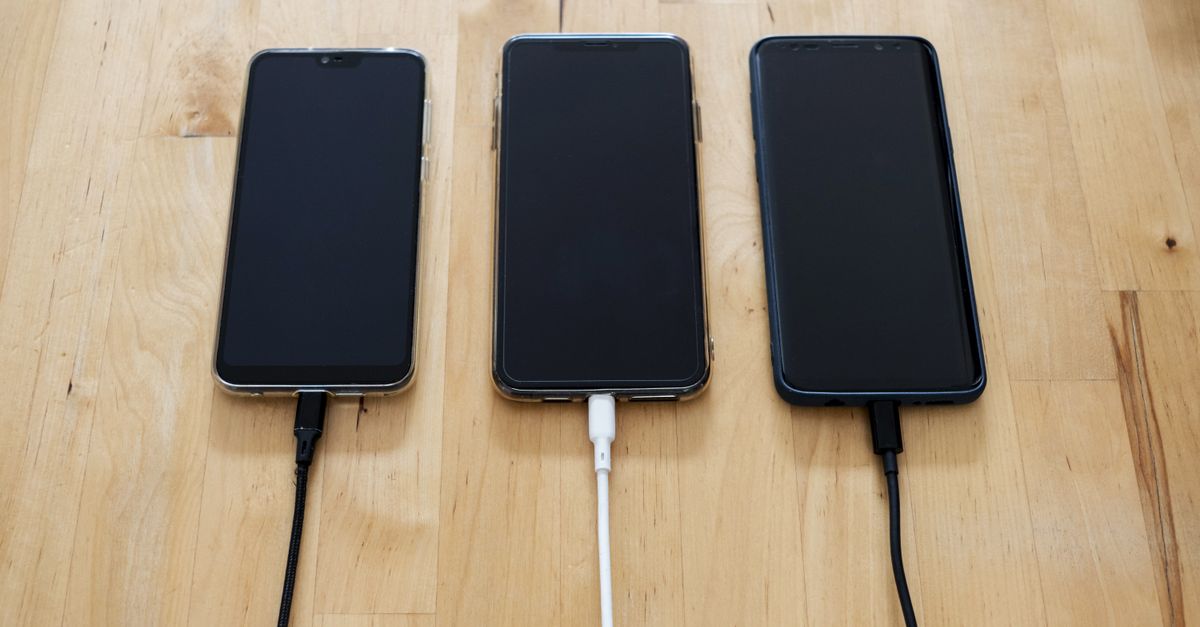
When the smartphone market feels dominated by flagship releases, it’s easy to forget that the sweet spot for many consumers lies in the mid‑range segment. In 2026, manufacturers have pushed performance, camera quality, and software experience into the $300‑$500 price bracket. The result is a class of devices that can rival premium models in many respects while keeping the price accessible.
1. Why Mid‑Range Has Become the New Premium
The line between flagship and budget has blurred. Smartphone makers now ship phones that share flagship‑grade processors, large displays, and fast charging, but with more modest storage or a single rear camera. The strategy is to capture a larger share of the market by offering “good enough” for most users at a fraction of the cost. For shoppers, this means a richer set of options and the possibility to upgrade more frequently without a big outlay.
2. Key Specs That Still Matter
Processor & Performance
Modern mid‑range phones often use the latest mid‑tier SoCs. In 2026, the Snapdragon 8 + Gen 2 and MediaTek Dimensity 9200 are common. These chips deliver smooth gaming, efficient multitasking, and improved AI features. Benchmarks like Geekbench 6 and AnTuTu show that the difference between a mid‑range and a flagship is now a matter of milliseconds in most tasks.
Display Quality
A 6.1‑inch Full‑HD+ panel with 120 Hz refresh rate has become standard. Look for IPS panels with 90% DCI‑P3 color gamut and HDR10 support. Even if the resolution is 1080 × 2400, a high refresh rate can make the experience feel premium.
RAM & Storage
8 GB of RAM is the new baseline for a responsive experience. Storage options of 128 GB or 256 GB are common; keep an eye on whether the device supports microSD for future expansion.
3. Camera Performance in the Middle Class
Camera quality has become the primary differentiator. Mid‑range phones now feature multi‑lens setups: a 50 MP main sensor, a 12 MP ultra‑wide, and sometimes a 2 MP macro. The key is how well the software processes images.
Night Photography
AI‑driven night mode can produce acceptable results in low light, but the quality will still lag behind flagship 108 MP sensors. Test the camera in a dim environment and compare the dynamic range.
Video Capabilities
1080p at 60 fps is standard; 4K is increasingly available. Look for optical image stabilization (OIS) and a good gimbal‑style mode for smoother handheld footage.
4. Battery Life & Charging
Battery capacity in mid‑range devices ranges from 4000 mAh to 5000 mAh. Fast charging speeds of 20 W to 30 W are common, with 15 W wireless charging as a bonus. Real‑world tests show that a 4000 mAh battery can last a full day on moderate usage.
Charging Speed Test
To compare charging speeds, note the time taken to reach 50% and 100%. A phone that reaches 50% in 15 minutes and 100% in 40 minutes is a solid choice.
5. Software & Ecosystem
Android 13 and 14 are the current OS versions. Manufacturers offer their own skins: One UI, MIUI, and HarmonyOS. The key is update cadence. A device that receives two major Android updates and one security patch per year is preferable.
App Ecosystem
All major apps run on mid‑range phones. However, the experience can vary if the OS is bloated. A clean, near-stock interface often delivers smoother performance.
6. Build Quality and Design
Materials matter. While glass backs and metal frames are common, some mid‑range phones use high‑quality polycarbonate or recycled aluminum. Water resistance ratings of IP53 or IP65 are typical; IP68 is rare but highly valued.
Ergonomics
Check the device’s weight (usually 170‑190 g) and the placement of buttons. A well‑placed volume rocker and a comfortable grip can make a difference in daily use.
7. Connectivity & Future Proofing
5G is now standard across mid‑range phones. Look for support of sub‑6 GHz and mmWave where available. Wi‑Fi 6E and Bluetooth 5.2 provide better bandwidth and lower latency.
SIM Options
Dual‑SIM support (nano‑SIM + eSIM) is common. Verify whether the eSIM is active in your region.
8. Price vs Value: How to Evaluate
Don’t just look at the sticker price. Use the Price‑to‑Performance Ratio (PPR):
PPR = (Score from Benchmark + Camera Test + Battery Life) ÷ Price
A higher PPR indicates better value. Benchmark scores are available from sites like Geekbench; camera and battery tests are often posted in review videos.
9. Common Mistakes When Buying a Mid‑Range Phone
- Assuming a lower price means lower quality. Check the processor and camera specs.
- Overlooking software updates. Verify update history on the manufacturer’s website.
- Ignoring build materials. A cheap-looking phone may feel flimsy.
- Neglecting battery capacity. A 3000 mAh battery will struggle with heavy use.
- Forgetting about resale value. Phones with better build and software support hold value longer.
10. Top Mid‑Range Picks of 2026
| Phone | Price | Processor | Camera | Battery (mAh) |
|---|---|---|---|---|
| Galaxy A57 5G | $349 | Snapdragon 8 + Gen 2 | 50 MP + 12 MP + 2 MP | 4500 |
| OnePlus Nord 3 | $399 | Snapdragon 8 + Gen 2 | 50 MP + 8 MP + 2 MP | 4400 |
| Realme 12 Pro | $299 | MediaTek Dimensity 9200 | 64 MP + 8 MP + 2 MP | 5000 |
Each device offers a balance of performance, camera, and battery life that justifies its price. For example, the Realme 12 Pro’s 5000 mAh battery and 64 MP main sensor make it ideal for power users on a budget.
11. How to Upgrade Without Wasting Money
Trade‑In Programs
Many carriers and manufacturers offer trade‑in credits. Compare the credit offered with the price of the new device; a credit of 20% or more is usually worth it.
Buying Refurbished
Certified refurbished phones can save up to 30% while still offering a warranty. Verify the seller’s reputation and check the device’s health report.
Staying on the Same Brand
If you’re satisfied with a brand’s software ecosystem, staying within the same family ensures smoother app compatibility and data migration.
12. Conclusion: Making an Informed Choice
Mid‑range smartphones have matured into a compelling alternative to flagship devices. By focusing on processor performance, camera quality, battery life, software updates, and build materials, you can spot hidden value and avoid common pitfalls. Use the Price‑to‑Performance Ratio to compare models objectively, and remember that the best phone for you is one that fits your usage pattern and budget, not just the lowest price.
Next time you shop for a phone, look beyond the headline price. The mid‑range segment is full of devices that deliver premium experiences at a fraction of the cost. Armed with the right knowledge, you can make a purchase that feels like a bargain and performs like a luxury.
Leave a comment