
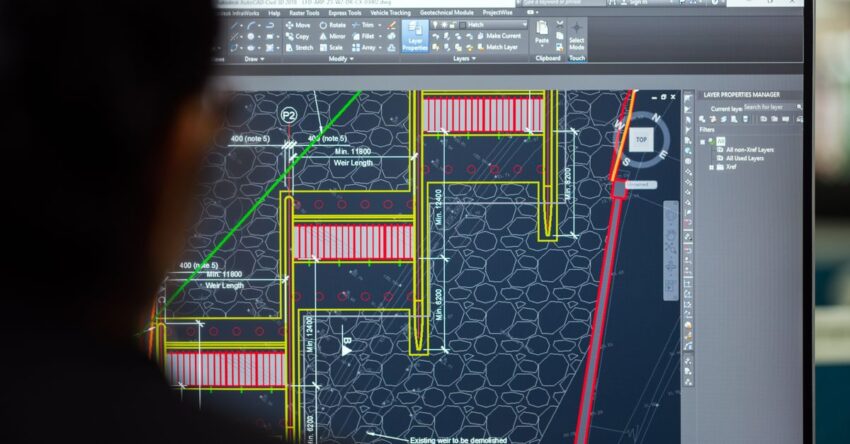
Imagine having a real‑time, interactive digital copy of a machine, a building, or even a human body. This is the promise of a digital twin,a virtual model that mirrors its physical counterpart in both form and function. While the concept dates back to the 1980s, recent advances in sensors, cloud computing, and data analytics have made digital twins practical and essential across many sectors. This article explores how digital twins are reshaping manufacturing, healthcare, and urban planning, outlines their key benefits, discusses common pitfalls, and provides a step‑by‑step guide to launching your own twin.
1. What Exactly Is a Digital Twin?
A digital twin is more than a 3‑D model; it is a dynamic, data‑driven replica that updates in real time as its physical counterpart changes. Think of it as a live, virtual mirror that incorporates sensor inputs, historical performance data, and predictive algorithms. The twin can simulate scenarios, forecast maintenance needs, and test design changes without risking the actual asset.
2. A Brief History of the Digital Twin Concept
The term “digital twin” emerged in the aerospace sector when NASA needed a way to monitor aircraft health. Early implementations used simple data logging, but as sensor networks expanded and cloud storage became affordable, the twin evolved into a complex, interactive system. Today, the concept is integral to Industry 4.0, the Internet of Things, and even digital health initiatives.
3. Core Technologies Enabling Digital Twins
- Internet of Things (IoT) Sensors: Gather real‑time data on temperature, vibration, pressure, and more.
- Edge and Cloud Computing: Process data close to the source or aggregate it centrally for deep analysis.
- Artificial Intelligence & Machine Learning: Detect patterns, predict failures, and optimize operations.
- 3‑D Modeling & Simulation Software: Create accurate visual representations and run “what‑if” scenarios.
- Data Integration Platforms: Merge data from disparate sources into a unified view.
4. Manufacturing: From Prototyping to Predictive Maintenance
4.1 Accelerating Product Development
Design teams use twins to test ergonomics, material properties, and assembly processes virtually. By simulating stress tests and thermal cycles, engineers identify design flaws before a single prototype is built, saving time and reducing waste.
4.2 Real‑Time Production Monitoring
Factories embed sensors on each machine. The twin aggregates this data, providing dashboards that highlight bottlenecks, energy consumption, and quality metrics. Operators can intervene immediately if a component deviates from its expected behavior.
4.3 Predictive Maintenance in Action
Instead of scheduling routine checks, maintenance teams rely on twin‑derived analytics to predict when a bearing will fail. A study of a mid‑size automotive plant showed a 25% reduction in unscheduled downtime after implementing predictive twin analytics.
5. Healthcare: Personalized Medicine Meets Virtual Reality
5.1 Patient‑Specific Digital Twins
High‑resolution imaging and wearable sensors feed data into a patient’s twin. Doctors can simulate surgical procedures, predict drug interactions, and monitor recovery trajectories without exposing the patient to risk.
5.2 Hospital Asset Management
From MRI machines to bed occupancy, hospitals use twins to optimize equipment placement, reduce energy usage, and improve patient flow. A twin of a hospital ward revealed that reconfiguring bed layout could increase patient throughput by 12%.
6. Smart Cities: Planning Infrastructure with Virtual Models
6.1 Traffic Flow Optimization
City planners create a twin of the transportation network, integrating real‑time traffic sensors, public transit schedules, and event calendars. By simulating signal timing changes, they can reduce congestion by up to 15% during peak hours.
6.2 Energy Management and Sustainability
Buildings and power grids are modeled as twins, allowing city officials to forecast demand, identify inefficiencies, and test renewable integration strategies before committing capital.
7. Benefits That Go Beyond Cost Savings
- Risk Reduction: Test hazardous scenarios in a safe virtual environment.
- Speed to Market: Accelerate design iterations and regulatory approvals.
- Personalization: Tailor solutions to individual users or patients.
- Data‑Driven Decision Making: Base policies on real‑time analytics rather than intuition.
8. Common Misconceptions About Digital Twins
8.1 They’re Only for Large Enterprises
While large manufacturers often lead the way, small‑to‑medium businesses can start with a single asset twin,such as a critical machine or a fleet vehicle,and scale gradually.
8.2 Twins Are Static Models
Static 3‑D models lack the live data feeds that make twins valuable. Without real‑time updates, the twin becomes a static reference rather than a decision‑support tool.
8.3 Implementation Is a One‑Time Effort
Digital twins evolve as new data streams emerge. Continuous refinement, model retraining, and integration updates are essential to maintain relevance.
9. Step‑by‑Step Guide to Building Your First Digital Twin
9.1 Define the Objective
Ask: What problem am I solving? Is it predictive maintenance, design optimization, or operational efficiency? A clear goal directs data collection and model selection.
9.2 Map the Asset’s Data Landscape
- Identify all sensors and data sources.
- Assess data quality, frequency, and latency.
- Determine integration points with existing IT systems.
9.3 Choose the Right Platform
Evaluate cloud vs. edge options based on latency requirements and data volume. Many vendors offer end‑to‑end twin solutions; select one that supports your data formats and analytics needs.
9.4 Build the Physical‑Digital Bridge
Use APIs or middleware to stream sensor data into the twin. Ensure secure authentication and encryption to protect sensitive information.
9.5 Develop the Virtual Model
Start with a basic 3‑D representation, then layer in physics engines, control logic, and predictive algorithms. Keep the model lightweight to allow real‑time updates.
9.6 Validate and Iterate
Compare twin outputs with real‑world measurements. Adjust parameters, retrain models, and refine until the twin’s predictions align with observed behavior.
9.7 Deploy and Monitor
Integrate dashboards, alerts, and reporting tools. Set up governance policies to manage data access, model versioning, and compliance.
10. Future Outlook: The Next Frontier of Digital Twins
- Cross‑Domain Twins: Linking a vehicle twin with a city twin to enable autonomous navigation.
- Edge‑First Twins: Performing real‑time analytics locally to reduce bandwidth and latency.
- Augmented Reality Interfaces: Visualizing twins directly in a technician’s field of view.
- Regulatory Standards: Emerging guidelines will govern data privacy and model transparency.
11. Practical Takeaways for Business Leaders
- Start small: Pilot with a single high‑value asset.
- Invest in data quality: Poor data undermines twin accuracy.
- Build cross‑functional teams: Engineers, data scientists, and operations staff must collaborate.
- Plan for scalability: Design architecture that can grow to encompass entire fleets or facilities.
- Measure ROI: Track metrics like downtime reduction, energy savings, and throughput improvements.
12. Conclusion: Embracing the Twin Paradigm
Digital twins are no longer a futuristic buzzword; they are practical tools that deliver measurable value across diverse industries. By bridging the physical and virtual worlds, they enable proactive decision making, accelerate innovation, and unlock new business models. Whether you’re a manufacturer seeking to cut downtime, a hospital aiming to personalize care, or a city planner striving for sustainable growth, the twin paradigm offers a roadmap to smarter, more resilient operations.