
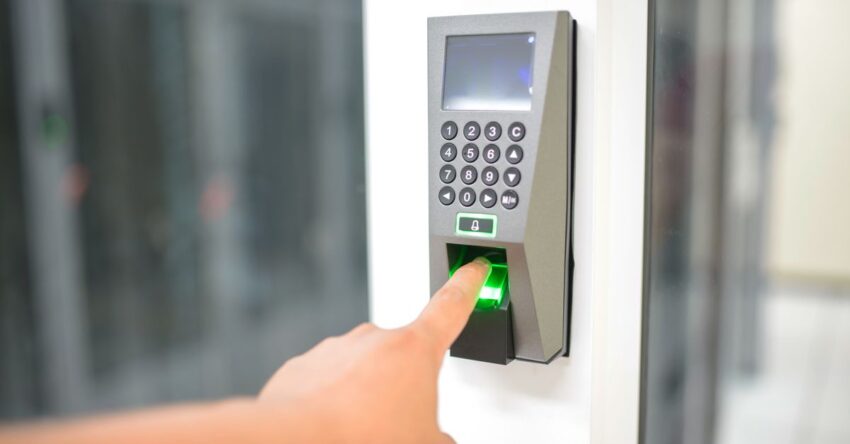
In an era where cyber threats grow more sophisticated by the day, businesses are turning to biometric authentication as a reliable method to verify identity and protect sensitive information. Unlike passwords or PINs, biometrics rely on unique physical or behavioral traits that are difficult to replicate or steal. This article examines the main types of biometric systems, the benefits and challenges they present, regulatory frameworks that govern their use, and actionable guidance for companies looking to deploy a robust biometric strategy.
Understanding the Basics of Biometric Authentication
Biometric authentication uses measurable traits,such as fingerprints, facial geometry, voice patterns, or even behavioral rhythms,to confirm a person’s identity. The process typically involves three stages: enrollment, where a user’s biometric data is captured and stored; verification, where a presented sample is matched against stored data; and identification, where the system searches a database to find a matching individual. Each stage requires precise hardware and software to maintain accuracy and privacy.
Why Biometrics Matter for Business Security
Traditional security measures like passwords are vulnerable to phishing, brute‑force attacks, and credential stuffing. Biometrics add an extra layer of defense by making unauthorized access considerably harder. Moreover, they streamline user experience: employees can log into systems without remembering passwords, reducing help‑desk incidents and the risk of weak credentials.
Key Types of Biometric Technologies
| Biometric Modality | Common Use Cases | Typical Accuracy (True Positive Rate) |
|---|---|---|
| Fingerprint Scanning | Mobile device unlock, access control, point‑of‑sale authentication | ~99.5% |
| Facial Recognition | Secure entry, employee time‑tracking, identity verification for online services | ~99.2% |
| Voice Recognition | Call‑center authentication, smart‑speaker access, voice‑activated software | ~98.7% |
| Iris Scanning | High‑security facilities, government ID verification, banking | ~99.8% |
| Behavioral Biometrics (keystroke dynamics, gait) | Continuous authentication for web applications, fraud detection | ~96.4% |
Choosing the Right Modality for Your Business
The selection depends on factors such as the sensitivity of data, user base, cost constraints, and the operating environment. For example, fingerprint scanners are inexpensive and widely accepted for everyday use, whereas iris scanners offer higher security but at a premium cost. Behavioral biometrics excel in environments where physical presence is not required, such as remote banking.
Benefits of Implementing Biometric Authentication
- Enhanced Security: Biometrics are inherently difficult to forge, reducing the risk of unauthorized access.
- User Convenience: Eliminates the need to remember passwords, speeding up login processes.
- Auditability: Biometric logs provide a clear trail of who accessed what and when.
- Reduced Operational Costs: Fewer password‑reset tickets translate to lower help‑desk overhead.
- Regulatory Alignment: Many compliance frameworks encourage or require multi‑factor authentication.
Common Challenges and Misconceptions
Privacy Concerns and Data Protection
Biometric data is highly personal. Mismanagement can lead to identity theft or unauthorized surveillance. Companies must treat biometric templates as protected health information (PHI) and enforce strict access controls, encryption at rest and in transit, and regular audits.
False Rejection and Acceptance Rates
Even the best systems have a non‑zero error rate. A false rejection can frustrate legitimate users, while a false acceptance can expose the system to intruders. Balancing threshold settings and incorporating fallback methods,such as PINs or security questions,helps mitigate these risks.
Hardware and Integration Costs
Initial investment in biometric readers and software licensing can be significant. However, long‑term savings from reduced credential management and improved security often offset these costs. Companies should perform a cost‑benefit analysis that includes maintenance, training, and potential compliance penalties.
Misconception: Biometrics Are 100% Foolproof
No authentication method is infallible. Attackers can use high‑resolution photos, synthetic voices, or sophisticated spoofing devices. Multi‑factor authentication that combines biometrics with something you know (password) or something you have (token) remains the most resilient approach.
Regulatory Landscape for Biometric Data
General Data Protection Regulation (GDPR)
Under GDPR, biometric data is classified as a special category of personal data. Organizations must obtain explicit consent, provide clear purpose explanations, and implement data minimization principles. Failure to comply can result in fines up to 4% of global annual turnover.
California Consumer Privacy Act (CCPA)
CCPA grants California residents the right to opt‑out of the sale of biometric data. Businesses must disclose data collection practices and provide opt‑out mechanisms. CCPA also requires businesses to maintain reasonable security measures.
Biometric Information Privacy Act (BIPA) in Illinois
BIPA imposes strict consent and retention requirements for biometric data. Companies must provide written notice, obtain informed consent, and delete data after a specified period or upon user request. Violations can lead to civil penalties of up to $1,500 per violation.
Industry‑Specific Standards
Financial institutions often follow the Payment Card Industry Data Security Standard (PCI DSS) that mandates multi‑factor authentication for card‑holder data access. Healthcare providers must comply with HIPAA, which requires safeguards for PHI, including biometric identifiers.
Step‑by‑Step Guide to Deploying Biometric Authentication
1. Define Objectives and Scope
Identify the business processes that will benefit most from biometrics. Prioritize high‑risk areas such as data centers, financial transactions, or remote access for employees.
2. Conduct a Risk Assessment
Analyze potential threats, evaluate existing security controls, and determine the acceptable risk level. Include privacy impact assessments to ensure compliance with regulations.
3. Choose the Appropriate Technology Stack
- Hardware: Select readers that support industry standards (e.g., ISO/IEC 19794 for fingerprint, ISO/IEC 30107 for spoof detection).
- Software: Opt for platforms that offer secure template storage, encryption, and audit logs.
- Integration: Ensure compatibility with identity and access management (IAM) systems and single sign‑on (SSO) solutions.
4. Design User Enrollment and Verification Workflows
Develop clear instructions for users during enrollment to capture high‑quality biometric samples. Implement multi‑modal enrollment (e.g., fingerprint plus facial scan) to increase resilience.
5. Implement Robust Security Controls
- Encrypt biometric templates with strong algorithms (e.g., AES‑256).
- Store templates in a dedicated secure enclave or hardware security module (HSM).
- Use token‑based or cryptographic challenge-response mechanisms to prevent replay attacks.
6. Establish Privacy and Consent Protocols
Draft privacy notices that explain why biometric data is collected, how it will be used, and how long it will be stored. Offer opt‑in mechanisms and provide a clear process for data deletion upon user request.
7. Pilot the Solution with a Small User Group
Test the system in a controlled environment to identify usability issues, false rejection rates, and integration glitches. Gather feedback to refine enrollment prompts and fallback options.
8. Roll Out Organization‑Wide Deployment
After successful pilot, expand deployment gradually. Provide training sessions and help‑desk support to address user concerns. Monitor system performance and security logs continuously.
Best Practices for Maintaining a Secure Biometric System
Regularly Update Software and Firmware
Vulnerabilities can emerge in biometric SDKs or reader firmware. Keep all components patched and conduct periodic vulnerability assessments.
Implement Continuous Authentication
For high‑risk applications, employ behavioral biometrics that monitor user activity in real time, flagging anomalies that may indicate compromised credentials.
Use Redundant Authentication Methods
Maintain alternative verification options, such as OTPs or security keys, to support users who cannot provide a biometric sample due to injury or device limitations.
Conduct Periodic Audits and Penetration Tests
Independent security reviews help uncover hidden weaknesses. Audits should verify that encryption, access controls, and privacy policies remain effective.
Case Studies: Biometrics in Action
Retail Chain Improves Checkout Speed and Security
A nationwide retailer integrated facial recognition at its self‑checkout kiosks. The system reduced average transaction time by 30% and lowered fraud incidents by 15% within the first quarter of deployment. The retailer combined the biometric system with a loyalty program, allowing seamless customer identification.
Financial Services Firm Adopts Multi‑Modal Biometrics for Remote Access
To support a hybrid workforce, a regional bank implemented fingerprint and voice authentication for VPN access. The initiative decreased password‑reset tickets by 40% and met PCI DSS multi‑factor requirements. The bank also introduced a policy that required a secondary authentication factor for high‑value transactions.
Future Trends in Biometric Authentication
Artificial Intelligence Enhancing Spoof Detection
AI algorithms that analyze subtle liveness cues,such as skin texture or eye movement,are improving the reliability of facial and fingerprint scanners. This reduces the risk of spoofing attacks.
Wearable Biometrics and Continuous Authentication
Smartwatches and fitness trackers capture physiological signals like heart rate variability, enabling continuous authentication for mobile banking and secure messaging apps.
Regulatory Evolution Toward Standardized Consent
Governments are exploring unified frameworks that streamline biometric data consent while protecting user privacy. Companies should monitor legislative developments to stay ahead of compliance changes.
Conclusion: Balancing Convenience and Security
Biometric authentication offers a compelling blend of security and user experience, but its success hinges on thoughtful implementation, strict privacy safeguards, and ongoing vigilance. By selecting the right technology, adhering to regulatory standards, and embedding biometric controls within a broader security strategy, businesses can protect critical assets while delivering frictionless access for employees and customers alike.