






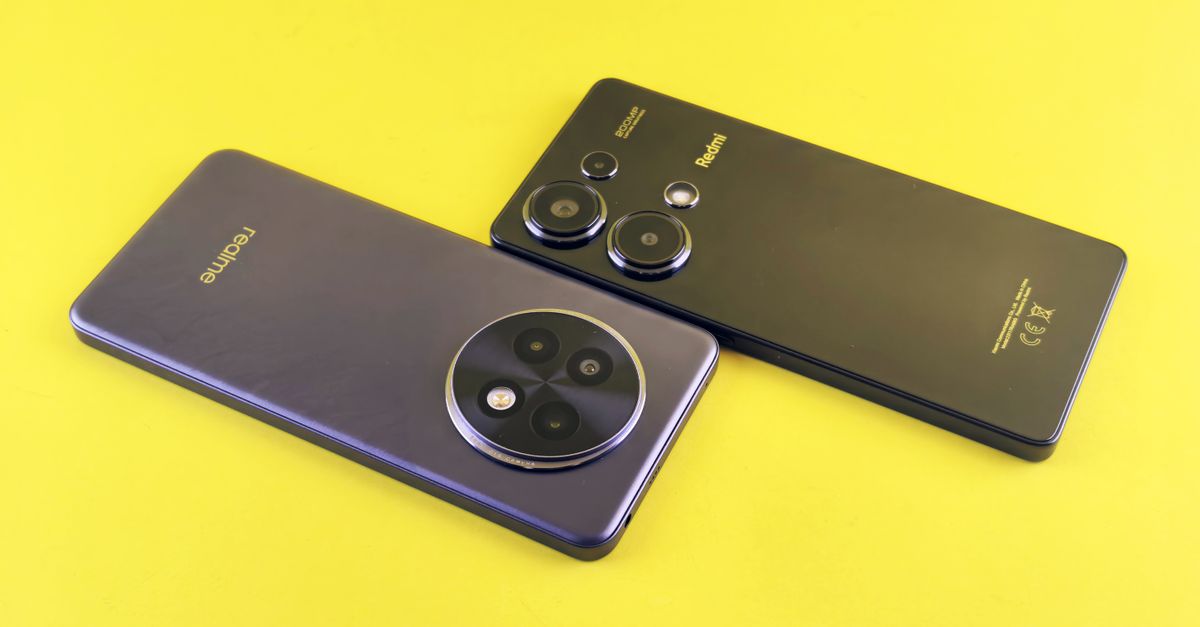
Artificial intelligence is no longer a futuristic buzzword; it has become an integral part of the smartphone experience. From the way cameras process images to how batteries learn your usage patterns, AI now influences almost every touchpoint on a device. If you’re looking to upgrade in 2026, understanding what AI truly delivers and how it aligns with your daily habits is essential. This guide breaks down the most impactful AI features, compares the leading models, and offers practical steps to help you pick the right AI‑powered phone for your needs.
What Makes a Smartphone “AI‑Powered”?
When a manufacturer markets a phone as AI‑powered, they’re usually referring to a combination of dedicated hardware, software frameworks, and cloud‑based services that work together to enhance performance, battery life, and user experience. The key components include:
- Neural Processing Units (NPUs): Dedicated silicon that accelerates machine‑learning tasks, enabling faster on‑device inference.
- On‑Device AI Frameworks: Software libraries such as Android’s ML Kit or Apple’s Core ML that allow developers to implement AI features without relying on constant cloud connectivity.
- Cloud‑Backed Services: AI models that are trained on massive datasets and periodically updated through firmware releases.
- Integrated Sensors: Cameras, microphones, and motion sensors that feed data to AI algorithms for real‑time analysis.
In practice, an AI‑powered phone uses these elements to deliver smarter photography, predictive battery management, conversational assistants, and more,all without compromising speed or privacy.
Core AI Features to Look For
AI Camera Enhancements
Modern cameras rely on AI to perform tasks like scene detection, noise reduction, and real‑time HDR. The most noticeable benefits include:
- Dynamic Scene Recognition: The phone automatically adjusts settings for portraits, landscapes, or low‑light scenarios.
- AI‑Based Upscaling: Enhances resolution by predicting missing pixel data, useful for printing or cropping.
- Real‑Time Video Stabilization: Uses motion sensors and AI to smooth shaky footage without post‑processing.
AI‑Driven Battery Management
Battery life is a perennial concern. AI can learn your daily patterns and adjust power distribution accordingly. Features to check include:
- Predictive Power Saving: The phone anticipates low‑battery situations and automatically throttles background activity.
- Adaptive Brightness & Connectivity: AI chooses the optimal screen brightness and Wi‑Fi band based on usage context.
- Smart Charging Algorithms: Limits charging to 80% during the night to preserve battery health.
AI Voice Assistants & Natural Language
Beyond simple commands, AI voice assistants now support contextual understanding, multi‑language conversation, and proactive suggestions. Look for:
- Contextual Awareness: The assistant remembers recent tasks to offer relevant follow‑ups.
- Offline Speech Recognition: Enables voice commands without a data connection.
- Integration with Smart Devices: Seamless control of thermostats, lights, and security systems.
AI in Gaming & Performance
Gaming demands high frame rates and low latency. AI can help by:
- Dynamic Frame Rate Scaling: Adjusts graphics quality to maintain smooth gameplay.
- Predictive Resource Allocation: Anticipates CPU/GPU usage spikes and pre‑allocates memory.
- AI‑Based Upscaling in Games: Enhances lower‑resolution textures on the fly.
AI for Security & Face Unlock
Security systems now use deep learning to improve face recognition accuracy, even under varied lighting. Key aspects include:
- 3‑D Depth Mapping: Combines infrared and RGB data for robust authentication.
- Anti‑Spoofing: Detects photos or masks using AI‑driven liveness checks.
- Continuous Authentication: Monitors facial features throughout usage to detect unauthorized access.
How AI Affects Everyday Use: Practical Scenarios
Smart Home Control
With AI assistants integrated into your phone, controlling a smart home becomes more intuitive. For example, saying “Hey, set the living room lights to 30%” triggers the assistant to interpret the command, adjust the lighting level, and confirm the action,all without touching a separate app.
Personalized Content Curation
AI algorithms analyze your media consumption to suggest music, news, or videos that match your tastes. The result is a feed that feels tailored, reducing the time spent scrolling through irrelevant content.
Predictive Text & Input
Modern keyboards use AI to predict words, correct typos, and even adjust to your writing style. Over time, the keyboard learns your preferred abbreviations and slang, making typing faster and more accurate.
Top AI‑Powered Smartphones of 2026 (2026‑Q1)
| Model | AI Camera | Battery AI | Voice Assistant | Gaming AI | Security AI | Price (USD) |
|---|---|---|---|---|---|---|
| Galaxy S30 Ultra | Quad‑Cam AI HDR, 8‑K video upscaling | Predictive power saving, adaptive charging | Bixby 3.0, multi‑language offline | Dynamic frame scaling, AI upscaling | 3‑D depth, liveness detection | 1,399 |
| iPhone 18 Pro Max | ProRAW with neural noise reduction | Smart battery mode, overnight health limit | Siri 4.0, contextual awareness | Metal GPU AI optimization | Face ID with depth mapping | 1,599 |
| Pixel 9 Pro | Tensor‑AI photo processing, Night Sight 2.0 | Adaptive brightness, AI charging | Google Assistant, offline mode | Tensor‑core GPU acceleration | Face Unlock with liveness | 999 |
| OnePlus 12 Pro | AI HDR, 4‑K video stabilization | AI battery saver, smart charging | OxygenOS Assistant, multi‑lang | AI frame scaling, upscaling | Depth‑AI face unlock | 899 |
Deep Dive: Model Comparisons
Galaxy S30 Ultra vs. iPhone 18 Pro Max
Both flagship models offer top‑tier AI capabilities, but they differ in focus. The Galaxy S30 Ultra emphasizes camera versatility with an 8‑K video upscaling feature, while the iPhone 18 Pro Max leans into a more polished user experience with ProRAW and a streamlined AI workflow that integrates tightly with iOS.
| Feature | Galaxy S30 Ultra | iPhone 18 Pro Max |
|---|---|---|
| Camera AI | 8‑K upscaling, 4‑K stabilization | ProRAW, neural noise reduction |
| Battery AI | Predictive power saving, adaptive charging | Smart battery mode, overnight health limit |
| Voice Assistant | Bixby 3.0, multi‑lang offline | Siri 4.0, contextual awareness |
| Gaming AI | Dynamic frame scaling, AI upscaling | Metal GPU AI optimization |
| Security AI | 3‑D depth, liveness detection | Face ID with depth mapping |
Pixel 9 Pro vs. OnePlus 12 Pro
The Pixel 9 Pro offers a pure Android AI experience with Google’s Tensor‑AI, while OnePlus 12 Pro focuses on performance and price. If you prioritize a clean, Google‑centric ecosystem, Pixel is the better choice. OnePlus provides a more affordable entry point without sacrificing core AI features.
| Feature | Pixel 9 Pro | OnePlus 12 Pro |
|---|---|---|
| Camera AI | Tensor‑AI photo processing, Night Sight 2.0 | AI HDR, 4‑K video stabilization |
| Battery AI | Adaptive brightness, AI charging | AI battery saver, smart charging |
| Voice Assistant | Google Assistant, offline mode | OxygenOS Assistant, multi‑lang |
| Gaming AI | Tensor‑core GPU acceleration | AI frame scaling, upscaling |
| Security AI | Face Unlock with liveness | Depth‑AI face unlock |
Common Misconceptions About AI Phones
- AI = Faster Hardware: AI accelerators boost specific tasks but do not replace a powerful CPU or GPU. A phone with a weaker chipset can still outperform a flagship that relies solely on AI for basic functions.
- AI Guarantees Perfection: Machine learning models improve over time, but they can still misinterpret scenes or voice commands, especially in noisy environments.
- AI Means No Cloud: While many AI features run on‑device, cloud services often enhance accuracy. Users should be aware of data privacy policies.
- AI Is Only for Photography: AI touches battery management, gaming, security, and more. Focusing solely on camera specs gives an incomplete picture.
Tips for Choosing the Right AI Phone for Your Lifestyle
Budget vs. Premium
Mid‑range models now offer substantial AI benefits, especially in camera and battery management. If you’re on a budget, look for a phone with a dedicated NPU and a strong AI camera pipeline, such as the OnePlus 12 Pro or Pixel 9 Pro.
Ecosystem Compatibility
AI assistants work best within their native ecosystems. If you use Google services, the Pixel line will integrate smoothly. For Apple users, the iPhone’s Siri and HomeKit are tightly woven into the ecosystem.
Software Update Commitment
AI models rely on firmware updates to improve accuracy. Choose a manufacturer known for long‑term support,Samsung’s One UI, Apple’s iOS, and Google’s Android Lollipop all provide multi‑year updates.
Hardware Specs vs. AI Software
A phone with a high‑end chipset but weak AI software may underperform compared to a mid‑range device with robust AI features. Balance both aspects based on your primary use cases.
How to Maximize AI Features After Purchase
Settings Tweaks
Enable AI‑driven power saving in the battery settings, activate AI HDR in the camera app, and allow the assistant to access your calendar for proactive suggestions.
Third‑Party Apps & Extensions
Some developers offer AI‑enhanced photo editors or gaming mods that leverage your phone’s NPU. Explore the Play Store or App Store for apps that specifically mention on‑device AI acceleration.
Firmware Updates
Regularly check for system updates. Each release often contains improved AI models that refine camera performance, speech recognition, or battery prediction.
Future Outlook: AI in Smartphones Beyond 2026
Looking ahead, AI is poised to become more autonomous. Anticipated trends include:
- Full‑device voice control that anticipates needs before you ask.
- AI‑driven health monitoring that tracks vital signs in real time.
- Edge computing that processes complex tasks locally, reducing latency and preserving privacy.
- Adaptive UI that reorganizes apps based on usage patterns.
Conclusion
AI has moved from a novelty to a core component of modern smartphones. By understanding how AI enhances cameras, batteries, assistants, and security, you can make an informed decision that aligns with your priorities. Whether you’re a photography enthusiast, a mobile gamer, or someone who values long‑lasting battery life, there’s an AI‑powered phone that fits your lifestyle. Keep an eye on updates, experiment with settings, and let AI elevate the way you interact with your device.
Leave a comment