



When the phone market is flooded with new releases every year, the screen often becomes the deciding factor for buyers. In 2026, three display technologies dominate the conversation: OLED, LCD, and the nascent MicroLED. Each offers a unique blend of performance, power efficiency, and cost. This article breaks down the pros and cons of every screen type, highlights flagship models that showcase their strengths, and gives you a clear roadmap to choose the right display for your daily habits.
1. The Landscape of Smartphone Displays in 2026
Smartphone screens have evolved from basic LCD panels to advanced OLED arrays, and now to the highly efficient MicroLED. While OLED has been the industry standard for high-end phones, LCD still holds a strong position in the mid‑range market due to its affordability and reliability. MicroLED, though still in the early adoption stage, promises to combine the best attributes of OLED and LCD while reducing power consumption and increasing brightness. Understanding these fundamentals is the first step in making an informed decision.
2. OLED – The Color King
2.1 Why OLED Dominates High‑End Screens
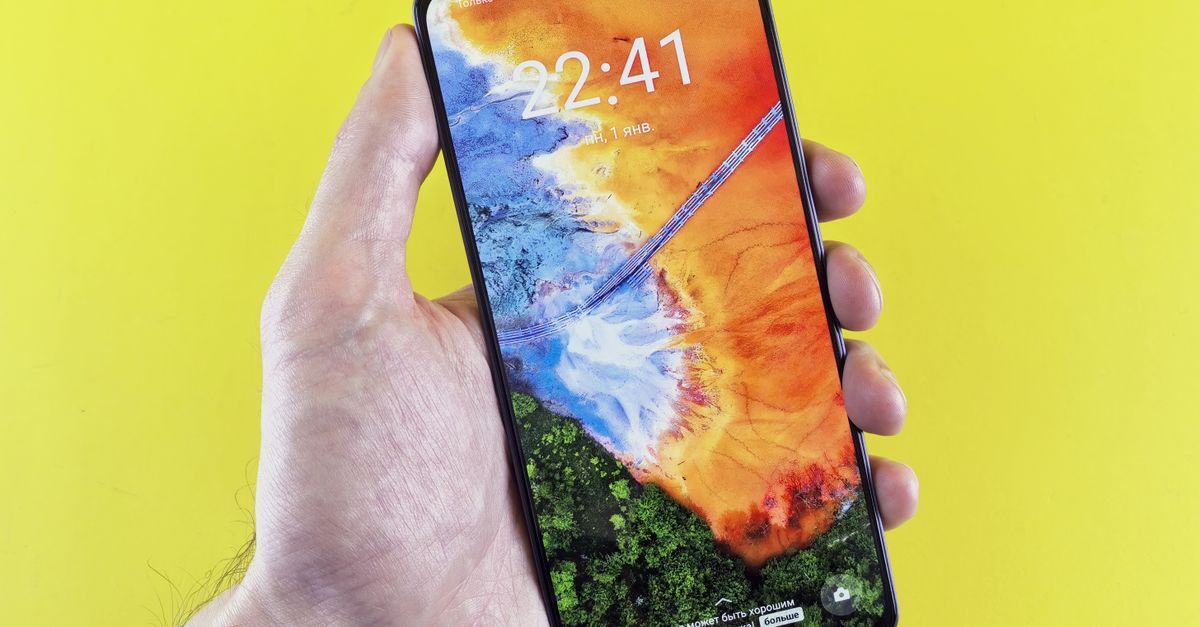
OLED (Organic Light Emitting Diode) panels emit light from individual pixels, allowing true blacks, high contrast ratios, and vibrant color reproduction. In 2026, flagship phones such as the Samsung Galaxy S24 Ultra, iPhone 15 Pro Max, and Google Pixel 8 Pro continue to use OLED as the default display technology. The result is a visual experience that feels more lifelike, especially for HDR content and gaming.
2.2 Battery Life Considerations
Because OLED pixels turn off when displaying black, the technology can be more power‑efficient than LCD in dark‑mode scenarios. However, bright, white backgrounds or gaming with high refresh rates (120 Hz or 144 Hz) can drain the battery faster. Users who frequently watch movies in dark rooms benefit from OLED’s power savings, while those who use their phone for bright outdoor reading may notice a modest drop in endurance.
2.3 Common Misconceptions
- Burn‑in is a myth. Modern OLED panels use pixel‑shifting and dynamic brightness controls to mitigate permanent image retention. Burn‑in rarely occurs in typical usage.
- OLED is always expensive. While flagship models are premium-priced, mid‑range phones like the OnePlus 12 Pro offer OLED screens at a more accessible price point.
3. LCD – The Steady Performer
3.1 Advantages of LCD Panels
LCD (Liquid Crystal Display) panels rely on a backlight to illuminate pixels. They tend to be more affordable, have excellent color accuracy in daylight, and offer consistent brightness across the screen. In 2026, devices such as the Sony Xperia 1 V and Xiaomi Mi 13 Ultra use high‑quality LCDs, making them attractive for users who prioritize cost and daylight readability.
3.2 Power Consumption Reality
Because LCD panels require a constant backlight, they can consume more power when displaying dark scenes. This leads to slightly shorter battery life compared to OLED under the same usage patterns. However, advanced backlight management and adaptive brightness can offset these differences in real‑world scenarios.
3.3 Durability and Longevity
LCD panels are less susceptible to image retention and generally have a longer lifespan in high‑brightness settings. This makes them suitable for users who expose their phones to harsh lighting conditions, such as outdoor workers or travelers in sunny climates.
4. MicroLED – The Emerging Game‑Changer
4.1 What Sets MicroLED Apart
MicroLED technology uses microscopic LEDs that emit light directly, combining OLED’s self‑emission with LCD’s high brightness and power efficiency. In 2026, Samsung has unveiled a prototype MicroLED smartphone, and other manufacturers are exploring the technology for future releases.
4.2 Performance Highlights
- Brightness. MicroLED can reach peak luminance levels of 1,500 cd/m², surpassing OLED and most LCDs.
- Color accuracy. The technology supports a wide color gamut (up to 120% DCI‑P3) and delivers consistent hue across the display.
- Power efficiency. With zero backlight, MicroLED consumes less power when showing dark scenes, similar to OLED.
4.3 Current Limitations
MicroLED manufacturing is complex, leading to higher production costs and limited availability. As a result, no mass‑market smartphone uses MicroLED yet. Consumers can expect to see early adopters in premium devices within the next 2-3 years.
5. Side‑by‑Side Comparison Table
| Feature | OLED | LCD | MicroLED |
|---|---|---|---|
| Contrast Ratio | Infinity (true blacks) | 10,000:1 | Infinity (self‑emission) |
| Color Gamut | 120% DCI‑P3 | 100% sRGB | 120% DCI‑P3 |
| Peak Brightness | 1,200 cd/m² | 800 cd/m² | 1,500 cd/m² |
| Refresh Rate | 120 Hz / 144 Hz | 90 Hz / 120 Hz | 120 Hz / 144 Hz |
| Power Efficiency (dark mode) | High | Low | High |
| Cost per Unit | $150-$200 | $80-$120 | $250-$350 |
| Manufacturing Maturity | Established | Established | Emerging |
6. Real‑World Usage Scenarios
6.1 Gaming Enthusiasts
Gamers value high refresh rates, low latency, and vibrant colors. OLED and MicroLED panels excel in delivering smooth motion and deep blacks, while LCD offers a more consistent brightness that can reduce eye strain during extended sessions. For a 120 Hz gaming experience, the Samsung Galaxy S24 Ultra (OLED) or the upcoming MicroLED prototype are top choices.
6.2 Professional Photographers
Color accuracy and HDR support are paramount. OLED screens provide superior contrast, making them ideal for reviewing images in low light. However, LCD panels with wide color gamuts (such as the Sony Xperia 1 V) can deliver more accurate representation of sRGB and Adobe RGB spaces, which is crucial for editing workflows.
6.3 Outdoor Readers
Daylight readability is key. LCD panels shine in bright environments due to their powerful backlights. OLED screens can suffer from reduced visibility under direct sunlight unless paired with high peak brightness and anti‑glare coatings. The Xiaomi Mi 13 Ultra (LCD) offers a balanced performance for outdoor use.
6.4 Power‑Conscious Users
Those who prioritize battery longevity benefit from OLED’s power savings in dark mode. A phone like the iPhone 15 Pro Max (OLED) can sustain a full day of mixed usage on a single charge, especially when combined with adaptive brightness and battery‑saving profiles.
7. Common Mistakes When Choosing a Display
- Assuming higher price equals better screen. Mid‑range OLED phones can match flagship performance in many aspects.
- Ignoring real‑world usage. A display that looks great in a showroom may perform differently in your living room or office.
- Overlooking software optimization. Display performance is also shaped by the operating system’s color management and refresh‑rate controls.
8. How to Test a Phone’s Display Yourself
8.1 Color Accuracy Check
- Open a photo editing app that displays a color checker.
- Compare the screen’s colors to the reference values.
- Note any shifts in hue or saturation.
8.2 Contrast Ratio Test
- Find a web page with black text on a white background.
- Switch to dark mode and observe the black levels.
- Measure the perceived depth of blacks using a flashlight.
8.3 Brightness Measurement
Use a smartphone brightness meter app or a handheld lux meter to record peak luminance. Compare the values across devices to gauge outdoor usability.
9. The Future of Smartphone Displays
MicroLED is poised to become the next standard as manufacturing scales. In 2028, we expect a wave of mid‑range phones to adopt the technology, offering high brightness and low power consumption without the cost premium of today’s prototypes. Meanwhile, OLED will continue to refine its color fidelity and durability, while LCD manufacturers will push the boundaries of brightness and color gamut.
10. Choosing the Right Display for You
Ask yourself these guiding questions:
- What is my primary use case? (Gaming, photography, reading, general use)
- How much am I willing to spend on a display?
- Do I often use my phone in bright outdoor conditions?
- Is battery life a top priority?
- Do I value color accuracy over sheer brightness?
Match your answers to the strengths of each technology: OLED for immersive visuals and power savings in dark mode, LCD for bright daylight readability and cost efficiency, and MicroLED for future‑proof performance once it becomes mainstream.
11. Recommended Models for 2026
- OLED flagship. Samsung Galaxy S24 Ultra – 6.8‑inch 120 Hz OLED, 1,200 cd/m² peak brightness, 5‑year battery life.
- OLED mid‑range. OnePlus 12 Pro – 6.7‑inch 120 Hz OLED, 1,050 cd/m² peak brightness, competitive price point.
- LCD premium. Sony Xperia 1 V – 6.5‑inch 120 Hz LCD, 800 cd/m² peak brightness, 100% sRGB coverage.
- LCD budget. Xiaomi Mi 13 Ultra – 6.6‑inch 120 Hz LCD, 700 cd/m² peak brightness, under $600.
- MicroLED prototype. Samsung Galaxy MicroLED Concept – 6.5‑inch, 1,500 cd/m² peak brightness, 120 Hz refresh, limited availability.
12. Final Thoughts
In 2026, the choice between OLED, LCD, and MicroLED comes down to your priorities: visual immersion, brightness, battery life, or cost. OLED remains the gold standard for high‑end phones, offering unparalleled contrast and color depth. LCD continues to provide reliable performance at a lower price, especially for daylight usage. MicroLED, while still in its infancy, promises a future where screens deliver the best of both worlds. By evaluating your usage patterns and budget against the characteristics outlined above, you can select a smartphone that not only looks great but also serves your daily needs.
Leave a comment