





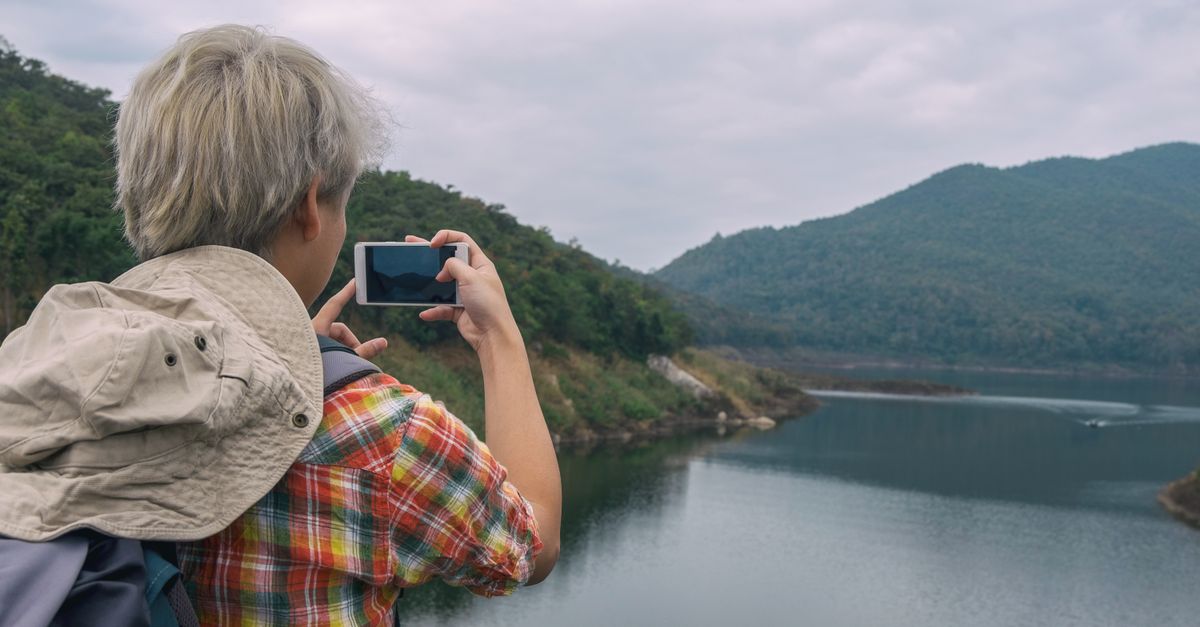
When you step into a forest, climb a mountain, or work on a construction site, the phone that accompanies you must survive more than just a day of use. It must withstand drops, dust, moisture, and extreme temperatures while still delivering reliable performance. For many outdoor enthusiasts, a smartphone is more than a communication tool; it’s a GPS navigator, a camera for documenting adventures, and a lifeline in emergencies. This guide walks you through the essential criteria for choosing a rugged phone, compares leading models in 2026, and offers actionable tips for maintaining battery health and connectivity in the wild.
1. Why Rugged Features Matter for Outdoor Use
Outdoor activities expose devices to conditions that typical smartphones are not designed to handle. A drop from a hiking pole can shatter a fragile screen. A sudden rainstorm can flood a phone that lacks proper sealing. And long, unbroken periods of use,such as a multi‑day trek,require sustained battery performance. When a phone fails in the field, the consequences can range from a lost navigation map to a delayed emergency call. Investing in a device built for the outdoors reduces the risk of downtime and increases confidence during critical moments.
2. Battery Life Under Extreme Conditions
Battery endurance is often the first casualty when a phone is exposed to cold, heat, or prolonged use. Cold temperatures can reduce a lithium‑ion battery’s capacity by up to 30 %. Conversely, high temperatures accelerate degradation. A rugged phone’s battery is usually larger, and the device’s power management software is tuned to minimize heat generation.
Key Battery‑Related Features
- Capacity (mAh): Look for 5000 mAh or higher for extended use.
- Fast‑charging support: 30 W or more allows a quick top‑up during short stops.
- Battery‑saving modes: Software that reduces background activity and throttles CPU when temperature rises.
- External battery compatibility: Some rugged models accept external power banks or solar chargers.
3. Physical Durability: Drops, Dust, and Water
Durability standards such as IP68 (water‑resistant) and MIL‑STD‑810H (shock and temperature) give a baseline for how well a phone can endure. However, real‑world tests often reveal that the combination of features,like a reinforced glass, rubberized edges, and a sealed headphone jack,provides the best protection.
Testing a Phone’s Robustness
- Drop test: Drop from 1.5 m onto a hard surface; check for screen cracks.
- Water immersion: Submerge in 1 m of water for 30 min; ensure all ports are sealed.
- Dust test: Place in a sealed chamber with fine sand; verify that the device remains operational.
4. Connectivity Options in Remote Locations
For hikers and field workers, staying connected to cellular networks is crucial for SOS alerts and real‑time data transfer. In remote areas, 5G coverage may be limited, so a phone with robust LTE support and the ability to switch between bands is essential.
Key Connectivity Features
- Multi‑band LTE: Supports 2G/3G fallback for coverage gaps.
- Wi‑Fi 6E: Provides higher throughput in open areas with access points.
- GPS accuracy: Dual‑frequency GNSS for precise location even under canopy.
- Offline maps: Built‑in map apps that cache routes and points of interest.
5. Camera Performance in Low Light and Harsh Weather
Outdoor photography often involves low‑light conditions,think dawn hikes or night campsites. A rugged phone’s camera should handle noise, dynamic range, and temperature variations. Weather sealing around the camera module prevents moisture damage.
Camera Specs to Prioritize
- Sensor size: 1/1.7″ or larger for better light capture.
- Aperture: f/1.8 or wider for low‑light performance.
- Optical image stabilization (OIS): Keeps shots steady during movement.
- Night mode: Software that stitches multiple exposures.
6. Software Support and Ecosystem Compatibility
Rugged phones often run on modified Android skins. Long‑term software support ensures security patches, new features, and compatibility with third‑party apps. For professionals, integration with field‑specific tools,like drone controllers or surveying apps,is a decisive factor.
Things to Check
- Update cadence: At least two major OS releases per year.
- Developer support: Availability of APIs for custom hardware integration.
- App ecosystem: Presence of outdoor navigation, weather, and safety apps.
7. Price vs. Value: Where to Stretch Your Budget
Rugged phones tend to carry a premium, but the cost can be justified by longevity and reduced replacement frequency. Compare the total cost of ownership: purchase price, expected lifespan, and potential repair costs for non‑rugged phones that fail in the field.
Example Cost Analysis
| Model | Price (USD) | Estimated Lifespan (Years) | Annual Depreciation (USD) |
|---|---|---|---|
| Samsung Galaxy XCover Pro | 799 | 5 | 159.8 |
| CAT S62 Pro | 899 | 6 | 149.8 |
| Panasonic Toughbook Phone | 999 | 7 | 142.7 |
8. Real‑World Use Cases: Hikers, Campers, and Construction Workers
Each outdoor scenario has unique demands. Below we match key phone features to specific use cases.
Hikers
- Prioritize GPS accuracy and offline maps.
- Battery life of 10 hours or more on a full charge.
- Water resistance up to 1 m for splashes.
Campers
- Large battery and fast‑charging capability for overnight power.
- Camera with night mode for wildlife photography.
- Durable design that can survive a tent collapse.
Construction Workers
- MIL‑STD‑810H certification for shock and temperature extremes.
- Strong signal reception for constant communication.
- Sealed ports to prevent dust ingress.
9. Common Mistakes When Choosing a Rugged Phone
- Assuming all rugged phones are the same: Specs vary widely; compare individual models.
- Ignoring software updates: A phone with great hardware but no updates becomes vulnerable.
- Underestimating battery performance in cold: Test the device in a cooler environment before relying on it.
- Choosing the cheapest option: Lower price may mean fewer water‑sealing features or a smaller battery.
10. Maintenance Tips to Extend Your Phone’s Life
Even the most robust phone benefits from proper care. Follow these steps to keep it running smoothly:
- Use protective cases: A silicone or rubber sleeve adds extra shock absorption.
- Clean ports regularly: Dust can clog connectors and degrade signal.
- Monitor temperature: Avoid charging in high‑heat environments.
- Backup data: Store critical files in the cloud or on an external drive.
Conclusion: Choosing the Right Companion for Your Outdoor Pursuits
When the next trail or construction project calls, you’ll want a phone that can keep pace without compromising safety. By focusing on battery endurance, physical durability, reliable connectivity, and software support, you can narrow down the options to a handful of models that truly fit your needs. Remember that a rugged phone is an investment in peace of mind, not just a gadget. Test the devices in conditions similar to your typical use, keep an eye on firmware updates, and maintain the hardware with simple care practices. With the right choice, your smartphone will become as dependable as your compass and as resilient as your boots.
Leave a comment