






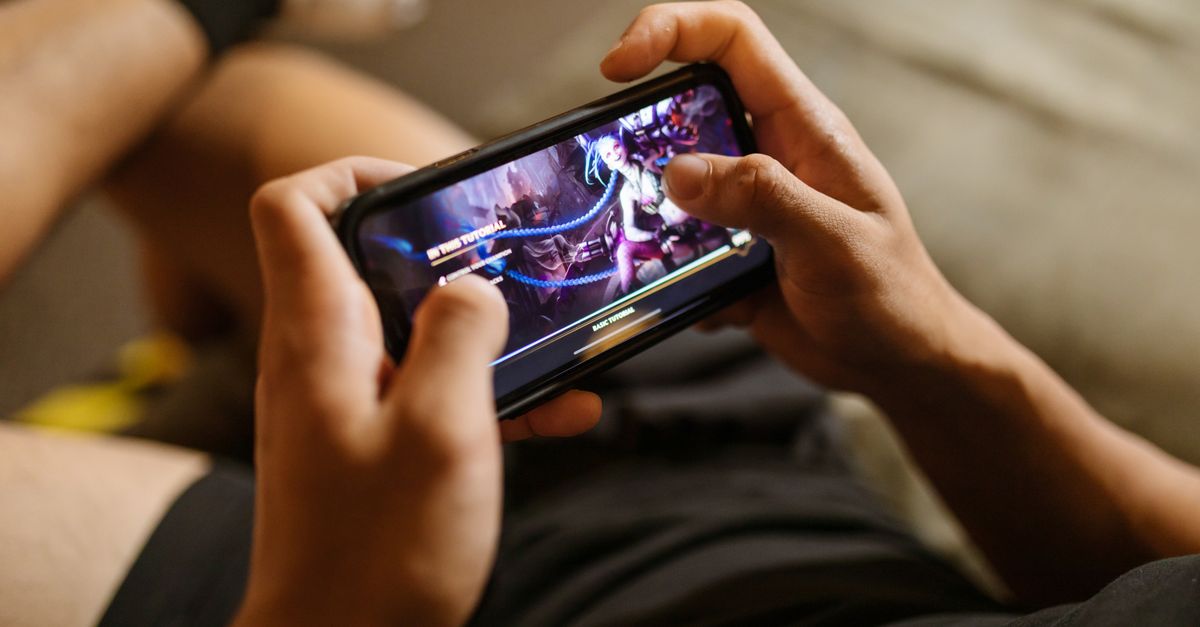
When the word gaming is mentioned, most people picture consoles or PCs, but a growing segment of players is turning to the pocket‑sized world of mobile games. In 2026, the line between handheld and console has blurred: high‑end smartphones now boast the same raw power, immersive displays, and responsive controls that once required a dedicated rig. Whether you’re a casual gamer who enjoys puzzle titles during a commute or a competitive e‑sport enthusiast who streams high‑fps action, the right phone can transform your experience. This guide dives deep into the hardware, software, and accessories that define the best gaming phones of 2026, helping you pick a device that balances performance, battery life, and value.
1. Why Mobile Gaming Has Become a Stand‑Alone Category
Mobile gaming has evolved from simple click‑and‑play titles to fully featured, graphics‑intensive games that rival console releases. Developers now release games with 60 fps targets, ray‑tracing support, and high‑resolution textures, all optimized for the latest Snapdragon, Exynos, and Apple silicon. The result? Players can enjoy AAA‑grade visuals on a phone that fits in their pocket. This shift has spurred a demand for phones that can sustain high performance without overheating or draining the battery too quickly.
2. Core Hardware Specs: The Engine Room of a Gaming Phone
The heart of any gaming phone is its processor and graphics unit. In 2026, the most common high‑end chips are:
- Qualcomm Snapdragon 8 Gen 3 – a 5‑nm design with an octa‑core CPU and an Adreno 740 GPU.
- Apple A18 Pro – a custom silicon featuring a 6‑core CPU (2 performance, 4 efficiency) and a 5‑core GPU.
- Samsung Exynos 2400 – a 4‑nm system with an octa‑core CPU and a Mali‑G710 GPU.
- MediaTek Dimensity 9200‑U – a 4‑nm chip with a 12‑core CPU and a Mali‑G710‑MP5 GPU.
When evaluating a phone, look for a processor that can consistently deliver at least 60 fps in demanding titles. GPU benchmarks like Geekbench 5 or GFXBench are useful indicators, but real‑world testing in games such as Call of Duty: Mobile or Asphalt 9 provides a clearer picture.
CPU Architecture Matters
Modern CPUs use big‑little configurations: a few high‑performance cores paired with several efficiency cores. For gaming, the performance cores handle the heavy lifting, while the efficiency cores manage background tasks. A phone with a balanced core mix can maintain high frame rates without unnecessary heat.
GPU Performance and Ray‑Tracing
GPU power is measured in GFLOPS and can be compared across vendors using the same benchmark. In 2026, ray‑tracing support has moved from niche to mainstream. Phones that support hardware ray‑tracing can deliver realistic lighting effects in games that have integrated this feature.
3. Display: The Window to Immersive Gameplay
A phone’s display is the primary interface for gaming. Key attributes include:
- Resolution: 1080 p is standard, but 1440 p or even 4K displays are emerging on premium models.
- Refresh Rate: 90 Hz, 120 Hz, or 144 Hz. Higher refresh rates reduce motion blur and improve responsiveness.
- Panel Technology: OLED offers deep blacks and vibrant colors; LCD panels are often cheaper but can be less power efficient.
- Color Accuracy: 100 % sRGB coverage is common; DCI‑P3 or Adobe RGB coverage is better for color‑critical games.
For gamers, a 120 Hz OLED display is a sweet spot, combining high refresh rates with excellent contrast. Some phones, such as the ASUS ROG Phone 7, push the envelope with 144 Hz panels that can be dynamically throttled to save battery.
4. Thermal Management: Keeping Your Phone Cool Under Pressure
Prolonged gaming sessions generate heat, which can throttle performance. Modern smartphones employ a mix of hardware and software solutions:
- Heat‑spreaders made from aluminum or graphene that conduct heat away from the chipset.
- Liquid cooling systems in high‑end gaming phones like the ASUS ROG Phone 7, which use a small liquid loop to keep temperatures low.
- Software throttling that reduces clock speeds when the temperature exceeds a safe threshold.
When reviewing a gaming phone, check temperature data from real‑world tests. A device that stays below 45 °C under load is ideal for extended play.
5. Battery Life and Charging: Powering Your Play Sessions
Gaming is a power drain. A battery capacity of 5000 mAh or more is now common on premium phones. Fast charging speeds (up to 120 W in some models) can bring a phone from 0 % to 80 % in under 20 minutes, but sustained high‑fps play can still reduce battery life to 2-3 hours.
Key considerations include:
- Battery capacity – larger cells provide longer sessions.
- Charging technology – 65 W or 100 W fast chargers are standard.
- Battery health management – features that limit charging to 80 % when the phone is plugged in for extended periods.
For players who travel or work remotely, a phone that can last a full day of moderate gaming is a significant advantage.
6. RAM and Storage: Memory Matters for Smooth Gameplay
Gaming apps often load large textures and assets. 8 GB of RAM is the minimum for smooth performance, but 12 GB or more is recommended for future‑proofing. Storage type matters too: UFS 4.0 offers faster read/write speeds than UFS 3.1, reducing load times.
Expandable storage via microSD is rare on high‑end phones, but some mid‑range models still offer it. If you plan to download many large games, consider a phone with at least 256 GB of internal storage.
7. Software Optimization: The Role of the Operating System
Android and iOS both provide gaming modes that prioritize performance. Android’s Game Booster can lock screen orientation, disable notifications, and allocate more CPU cores. iOS’s Game Mode offers similar features and benefits from Apple’s tight hardware‑software integration.
Game streaming services such as Google Stadia, Xbox Cloud Gaming, and NVIDIA GeForce Now also require a stable, high‑bandwidth connection. Phones with 5G modems that support sub‑6 GHz bands provide lower latency, which is critical for competitive play.
8. Accessories: Enhancing the Gaming Experience
While a phone can deliver great gameplay on its own, accessories can elevate performance:
- Game Controllers – Bluetooth controllers like the Xbox Wireless Controller or the Razer Kishi offer a console‑like feel.
- Cooling Stands – Active cooling stands with fans help keep temperature low during marathon sessions.
- Gaming Headsets – Wired or wireless headsets with low‑latency audio improve immersion.
- External Storage – SSDs via USB‑C can expand storage quickly.
When choosing accessories, ensure they are compatible with the phone’s ports and that they do not interfere with the device’s cooling system.
9. Budget Options: Gaming Without Breaking the Bank
Not every gamer needs a flagship phone. In 2026, several mid‑range models offer solid performance at a lower price:
- Google Pixel 8a – 120 Hz OLED, Snapdragon 8 Gen 1, 6 GB RAM.
- OnePlus Nord 3 – 120 Hz LCD, Snapdragon 8 Gen 2, 8 GB RAM.
- Samsung Galaxy A55 – 90 Hz AMOLED, Exynos 2300, 8 GB RAM.
These phones can run most mobile games at 60 fps with moderate settings. For gamers on a budget, the key is to prioritize a high refresh rate display and a capable mid‑range chipset.
10. Future Trends: What to Expect in 2027 and Beyond
Mobile gaming is poised to grow further, and several trends are shaping the next generation of phones:
- Under‑display cameras – More phones will feature cameras hidden beneath the display, freeing up screen real estate for higher refresh rates.
- AI‑accelerated rendering – On‑device AI can upscale lower‑resolution frames to 4K in real time, improving visual fidelity without heavy GPU usage.
- Foldable displays – Foldable phones can provide a larger gaming screen while still being portable.
- 5G and 6G connectivity – Lower latency and higher bandwidth will make cloud gaming more viable.
Keeping an eye on these developments can help you choose a phone that remains relevant for years.
11. Common Mistakes to Avoid When Buying a Gaming Phone
- Overemphasizing price – A cheaper phone may lack the thermal solutions needed for sustained gaming.
- Ignoring display refresh rate – A 60 Hz screen can feel laggy, even if the phone has a powerful chipset.
- Forgetting battery life – High‑performance phones often have shorter battery life; ensure you have a charger or power bank on hand.
- Neglecting software updates – Phones that receive regular OS updates are better positioned to support new games.
- Assuming all gaming modes are equal – Some modes lock only a few cores; read the specifications.
12. Conclusion: Choosing the Phone That Matches Your Gaming Style
In 2026, the smartphone market offers a wide array of options for mobile gamers. Whether you prioritize raw performance, battery longevity, or budget constraints, there’s a phone that fits your needs. Start by determining the games you play most often, then weigh the core specs, display quality, thermal management, and battery life. Don’t forget to consider accessories that can enhance your experience. With the right device, you can enjoy console‑grade gaming anytime, anywhere.
Comparison Table: Top 2026 Gaming Phones
| Phone | Processor | GPU | Display | Refresh Rate | Battery (mAh) | RAM (GB) | Storage (GB) | Cooling Tech |
|---|---|---|---|---|---|---|---|---|
| Samsung Galaxy S24 Ultra | Snapdragon 8 Gen 3 | Adreno 740 | Dynamic AMOLED 2X | 120 Hz | 5000 | 12 | 512 | Heat‑spreader + liquid cooling |
| Apple iPhone 16 Pro Max | A18 Pro | 5‑core GPU | Super Retina XDR OLED | 120 Hz | 5000 | 12 | 1,024 | Passive cooling |
| Google Pixel 8 Pro | Snapdragon 8 Gen 2 | Adreno 730 | OLED | 120 Hz | 5000 | 12 | 512 | Heat‑spreader |
| OnePlus 12 Pro | Snapdragon 8 Gen 3 | Adreno 740 | Fluid AMOLED | 120 Hz | 5000 | 12 | 512 | Heat‑spreader + active cooling |
| Xiaomi 14 Ultra | Snapdragon 8 Gen 3 | Adreno 740 | OLED | 120 Hz | 5000 | 12 | 512 | Heat‑spreader + liquid cooling |
| ASUS ROG Phone 7 | Snapdragon 8 Gen 3 | Adreno 740 | OLED | 144 Hz | 6000 | 16 | 1,024 | Advanced liquid cooling + fan |
| OPPO Find X6 Pro | Snapdragon 8 Gen 3 | Adreno 740 | OLED | 120 Hz | 5000 | 12 | 512 | Heat‑spreader + active cooling |
Use this table as a quick reference when comparing key specs, but always read detailed reviews and benchmark tests for real‑world performance data.
Leave a comment