





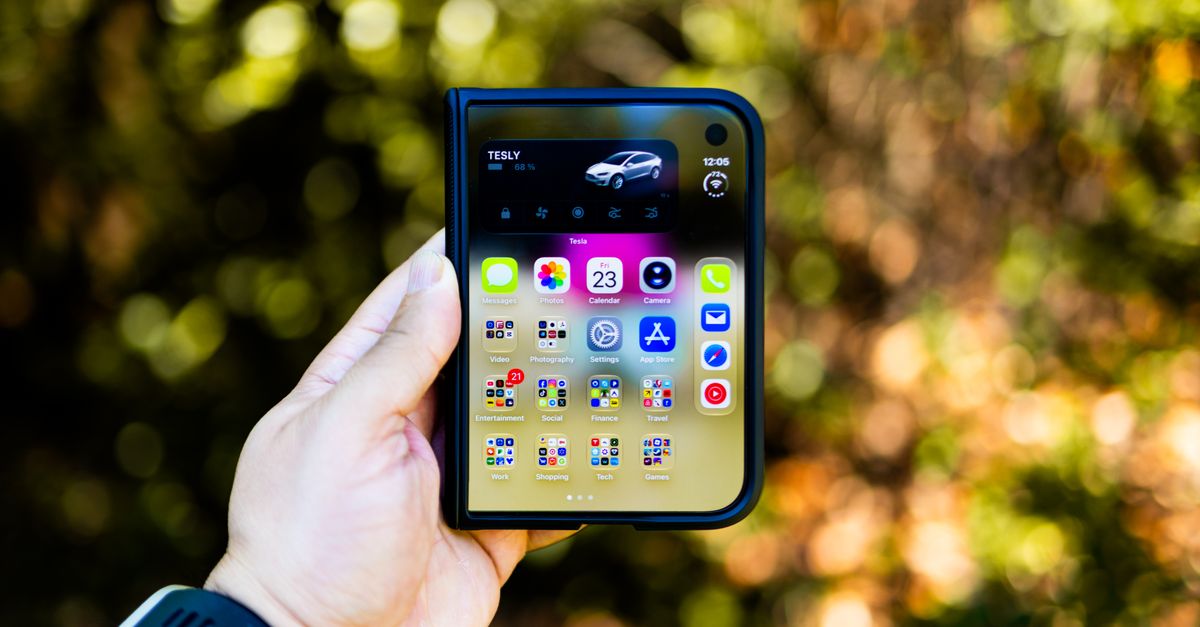
Smartphones have evolved from simple communication tools into portable workstations, gaming rigs, and creative studios. In 2026, one of the biggest shifts is the rise of foldable phones, devices that combine a tablet‑sized screen with the convenience of a phone. At the same time, classic smartphones still dominate the market with refined designs, proven durability, and lower price points. For many consumers, the decision comes down to lifestyle needs, budget, and how much risk they are willing to take on a newer technology. This guide breaks down the differences, compares top models, and helps you decide which phone type is right for you.
Foldable Tech: A Quick Overview
Foldable phones use flexible OLED panels that bend along a hinge. The hinge allows the device to switch between a compact phone mode and a larger tablet‑like display. Manufacturers have invested heavily in hinge engineering, materials science, and software optimization to make the experience smooth and durable. While the core idea has been around for a decade, 2026 models benefit from improved hinge strength, better sealing against dust and moisture, and faster folding speeds.
Key Advantages of Foldable Phones
Portability vs. Screen Real Estate
Foldables provide a unique blend of portability and screen size. In phone mode, the device is as easy to carry as a traditional smartphone. When unfolded, it offers a 7.8‑inch or larger display that rivals many tablets. This duality is ideal for multitasking, watching videos, or reading documents without having to carry a separate device.
Durability Concerns
Early foldables suffered from fragile hinges and screen wear. By 2026, most manufacturers use reinforced aluminum or titanium frames, and the hinge mechanisms incorporate rubberized bearings to reduce friction. However, the repeated folding cycle still poses a long‑term durability risk that consumers should weigh against the benefits.
Common Misconceptions About Foldables
Battery Life
Many users assume that the larger screen means a shorter battery life. In reality, foldables use more efficient processors and have larger batteries to compensate. For example, the Galaxy Z Fold 6 houses a 4,500‑mAh battery that supports 45‑minute fast charging, comparable to flagship phones.
Price vs. Value
Foldables are often priced 20-30% higher than their traditional counterparts. While the upfront cost is higher, the device’s dual functionality can offset the price if you value having a tablet on the go. Additionally, some manufacturers offer trade‑in programs that reduce the effective cost over a two‑year period.
Comparing Top Foldable Models of 2026
Below is a snapshot of the leading foldable phones released in 2026. The table highlights key specifications to help you compare at a glance.
| Feature | Galaxy Z Fold 6 | Pixel Fold 2 | OnePlus Fold X |
|---|---|---|---|
| Display (Folded / Unfolded) | 6.2‑inch 120Hz, 7.8‑inch 120Hz | 6.4‑inch 120Hz, 7.9‑inch 120Hz | 6.3‑inch 120Hz, 7.7‑inch 120Hz |
| Processor | Snapdragon 8 Gen 3 | Google Tensor G3 | Snapdragon 8 Gen 3 |
| RAM / Storage | 12GB / 256GB‑1TB | 12GB / 256GB‑1TB | 12GB / 256GB‑1TB |
| Battery | 4,500 mAh, 45‑min fast charge | 4,400 mAh, 45‑min fast charge | 4,400 mAh, 45‑min fast charge |
| Camera System | Triple 50MP + 12MP + 10MP (wide, ultrawide, telephoto) | Triple 50MP + 12MP + 10MP | Triple 50MP + 12MP + 10MP |
| Water Resistance | IP68 | IP68 | IP68 |
| Price Range (Launch) | $1,599-$1,899 | $1,599-$1,899 | $1,599-$1,899 |
Traditional Smartphones Still Reigning
Classic smartphones remain the best choice for users who prioritize reliability, lower cost, and proven performance. In 2026, the top models include the iPhone 17 Pro, OnePlus 12, and Samsung Galaxy S24 Ultra. These devices offer flagship specs, robust ecosystems, and extensive accessory support.
iPhone 17 Pro
- Display: 6.7‑inch 120Hz OLED
- Processor: A17 Pro chip
- Battery: 3,800 mAh, 30‑min fast charge
- Camera: Triple 48MP + 12MP + 12MP
- Price: $1,099-$1,399
OnePlus 12
- Display: 6.7‑inch 120Hz AMOLED
- Processor: Snapdragon 8 Gen 3
- Battery: 4,500 mAh, 45‑min fast charge
- Camera: Triple 50MP + 16MP + 10MP
- Price: $899-$1,099
Samsung Galaxy S24 Ultra
- Display: 6.8‑inch 120Hz AMOLED
- Processor: Exynos 2400 / Snapdragon 8 Gen 3
- Battery: 5,000 mAh, 45‑min fast charge
- Camera: Quad 108MP + 12MP + 10MP + 3MP
- Price: $1,199-$1,399
How to Choose Between Foldable and Traditional
Use Case Scenarios
Consider what you do most often with your phone:
- Travel & Work – A foldable can double as a portable laptop, useful for presentations or reading.
- Daily Commute – A traditional phone offers a simpler, more rugged experience.
- Gaming & Media – Foldables provide a larger screen, but many gamers prefer a traditional phone’s ergonomics.
Budget Considerations
Foldables typically start at $1,600, while flagship traditional phones range from $800 to $1,200. If you’re price sensitive, a traditional phone may give you more value for money. If you’re willing to invest in a device that can replace a tablet, the foldable’s higher cost is justified.
Longevity & Repairability
Traditional phones benefit from established repair ecosystems. Parts are widely available, and service centers are plentiful. Foldables, though improving, still face higher repair costs due to hinge complexity and specialized screen repair kits.
Practical Tips for Maintaining a Foldable Phone
Protective Cases
Choose a case designed specifically for your foldable model. Look for reinforced hinges and a protective bumper that shields the hinge area. A case can reduce the risk of accidental folding damage.
Avoiding Fold Lines
When you first receive a foldable, keep it unfolded for a week to allow the hinge to settle. Avoid folding it too tightly or repeatedly while the hinge is still fresh. Store the phone in a flat position when not in use.
Software Updates
Manufacturers often release updates that improve hinge stability and battery management. Enable automatic updates to keep the device running smoothly and to benefit from any new folding optimizations.
Common Mistakes When Buying Foldables
Ignoring Warranty
Foldable phones typically come with a two‑year warranty. Some carriers offer extended coverage, but it’s crucial to read the fine print. A limited warranty can be costly if the hinge fails.
Overlooking Accessories
Consider buying a dedicated charger, a protective stand, and a screen protector. Foldables often lack built‑in protective features, so investing in accessories early can prevent future damage.
Future Trends: Where Foldables Are Heading
Material Innovations
Researchers are experimenting with graphene‑reinforced panels and self‑healing polymers. These materials promise to increase fold durability and reduce screen wear. Expect to see foldable models with 1,000+ fold cycles in the next few years.
Integration with AR
Foldables provide a larger canvas for augmented reality applications. As AR software evolves, having a foldable’s expansive display could become a major advantage for developers and consumers alike.
Conclusion
Choosing between a foldable and a traditional smartphone boils down to how you use your device and how much risk you’re willing to accept. Foldables offer a unique combination of portability and screen real estate, making them ideal for users who need a tablet‑like experience without carrying an extra device. Traditional phones, meanwhile, remain the more reliable and budget‑friendly choice, with a mature ecosystem and proven durability. By evaluating your daily routines, budget, and willingness to invest in the latest technology, you can select a phone that aligns with your lifestyle and delivers lasting value.
Leave a comment