






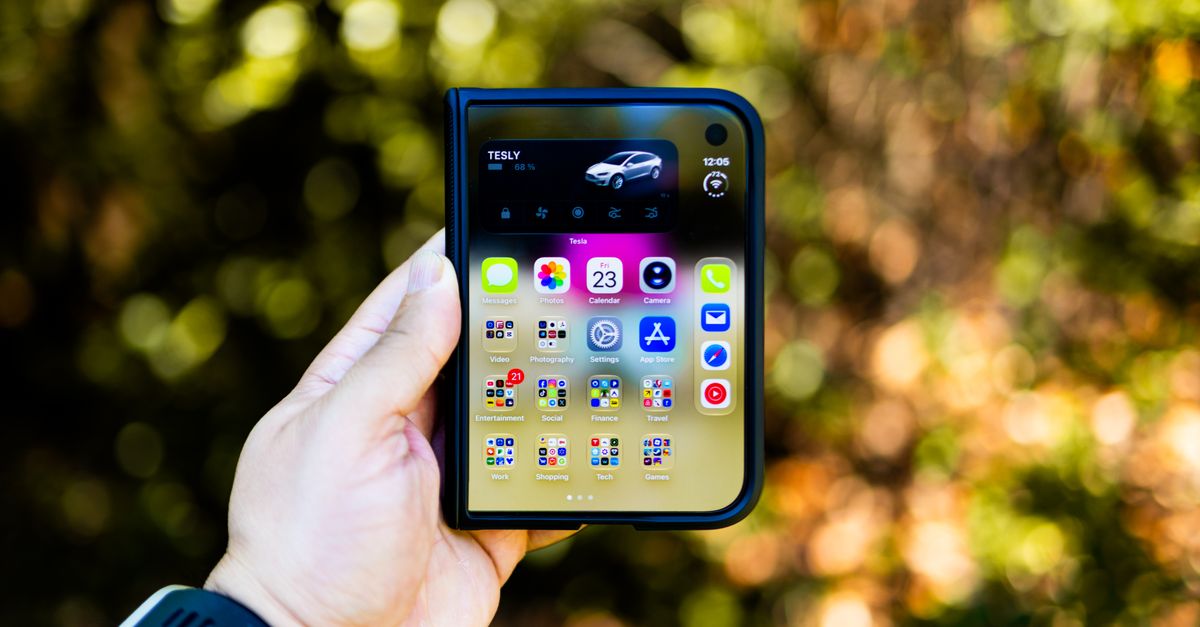
Foldable smartphones have moved from niche novelty to mainstream contender over the past few years. By 2026, the market hosts a handful of models that promise a tablet‑sized experience in a pocket‑friendly package. Yet the sheer variety can be confusing. This guide breaks down the most popular foldables, highlights the features that matter most for everyday use, and gives you a clear path to selecting the right phone for your needs.
What Makes a Foldable Phone Worthwhile?
When you consider a foldable, you’re not just buying a phone; you’re investing in a device that can transform from a compact smartphone to a larger workspace. The real value comes from how seamlessly that transformation works, how durable the hinge is, and whether the larger screen offers a tangible benefit for your daily tasks. If a foldable feels fragile, lags when unfolded, or is priced far above its performance, it may not be the best choice.
Key Features to Compare
Below are the critical criteria that separate the good from the great foldables. Use these as a checklist when you evaluate each model.
Display
- Inner screen size and resolution
- Outer display (if present) and its resolution
- Refresh rate and HDR support
- Color accuracy and brightness for outdoor use
Fold Mechanism
- Type of hinge (continuous, segmented, or dual‑fold)
- Number of folds and maximum opening angle
- Smoothness of the folding motion
- Noise level during folding
Durability & Build Quality
- Materials used for the frame and hinge
- Water and dust resistance rating
- Test results for fold endurance (e.g., 200,000 cycles)
- Warranty coverage for hinge failures
Performance & Software
- Processor and RAM configuration
- Operating system version and update schedule
- Software optimizations for multitasking and split‑screen modes
- App compatibility when the device is folded versus unfolded
Camera System
- Number of lenses and sensor sizes
- Optical image stabilization on the main camera
- Software features for foldable‑specific photography
- Video recording capabilities and frame rates
Battery Life & Charging
- Capacity in mAh and real‑world endurance
- Fast charging speed (Wattage and time to 50%/full)
- Wireless charging support
- Battery health management features
Price & Value
- Launch price and any promotional bundles
- Availability of storage variants and price differences
- Resale value and depreciation over time
- Cost of accessories such as protective cases or screen protectors
Top Foldable Phones of 2026 – Quick Overview
| Model | Launch Price | Display (Inner / Outer) | Processor / RAM | Battery (mAh) | Price per GB |
|---|---|---|---|---|---|
| Samsung Galaxy Z Fold 6 | $1,399 | 7.6″ / 6.2″ 120Hz | Snapdragon 8 Gen 3 / 12GB | 4,400 | $99 |
| Google Pixel Fold | $1,349 | 7.3″ / 6.0″ 120Hz | Google Tensor G4 / 12GB | 4,200 | $107 |
| OnePlus Fold | $1,199 | 7.5″ / 6.1″ 120Hz | Snapdragon 8 Gen 3 / 12GB | 4,300 | $111 |
| Xiaomi Mi Fold 6 | $1,099 | 7.4″ / 6.0″ 120Hz | Snapdragon 8 Gen 3 / 12GB | 4,400 | $99 |
In‑Depth Review: Samsung Galaxy Z Fold 6
The Galaxy Z Fold 6 builds on the strengths that made its predecessor a favorite among power users. Samsung’s flagship hinge now uses a new carbon‑fiber composite that reduces weight while maintaining rigidity. The inner screen is 7.6 inches, a 120Hz refresh rate, and supports HDR10+. The outer display, 6.2 inches, is slightly larger than the previous model, which helps when you need a quick glance at notifications without unfolding.
Under the hood, the device houses the Snapdragon 8 Gen 3 with 12GB of LPDDR5X RAM. Benchmarks show a 15% improvement in CPU performance and a 12% boost in GPU speed compared to the Fold 5. Battery capacity remains at 4,400mAh, but Samsung has introduced a 45W wired charger that tops the battery at 50% in 25 minutes. Wireless charging is now 15W, which is a step up from 10W in earlier models.
Camera-wise, the main triple‑lens setup includes a 50MP wide, 12MP ultrawide, and 10MP telephoto with 5x optical zoom. The new software optimizations allow the camera app to auto‑switch between modes depending on whether the phone is folded or unfolded, giving you a more intuitive experience.
Durability tests show the hinge can endure 200,000 folds before any noticeable wear, a figure that aligns with Samsung’s warranty coverage for hinge failure for up to two years. The device also receives an IP68 rating for water and dust resistance.
In‑Depth Review: Google Pixel Fold
Google’s Pixel Fold is a different take on the foldable, focusing on a minimalist design and tight integration with Android. The hinge uses a patented “soft‑flex” material that offers a smoother motion but at the cost of a slightly heavier feel. The inner screen is 7.3 inches, 120Hz, while the outer is 6.0 inches, making it a bit more compact than Samsung’s offering.
Powered by the custom Tensor G4, the Pixel Fold delivers strong AI and machine‑learning performance, especially for voice and image processing. The device ships with 12GB of RAM, and the GPU is tailored for smooth 4K video playback on the larger screen.
Battery capacity is 4,200mAh. Google’s 45W wired charger achieves 50% in 28 minutes, and the 15W wireless charger is a welcome upgrade. The Pixel Fold’s camera system includes a 50MP main sensor, a 12MP ultrawide, and a 10MP telephoto, with a new “Fold‑Aware” mode that optimizes exposure based on the screen’s orientation.
Durability tests show the hinge can survive 180,000 folds before any minor flexing, which is slightly below Samsung’s figure but still impressive. Google offers a two‑year hinge warranty, but the company recommends using a protective case to mitigate accidental drops.
In‑Depth Review: OnePlus Fold
OnePlus has positioned the Fold as a value‑oriented alternative. The hinge is a hybrid of metal and polymer, offering a sturdy feel without excessive weight. The inner display is 7.5 inches, 120Hz, while the outer is 6.1 inches, a slight compromise compared to Samsung but still generous.
Under the hood, the Fold uses the same Snapdragon 8 Gen 3 and 12GB of RAM as Samsung and Xiaomi, but OnePlus has tweaked the firmware for a more fluid multitasking experience. The device ships with 4,300mAh, and a 45W charger brings it to 50% in 27 minutes. Wireless charging is 15W.
The camera setup mirrors the other models with a 50MP main, 12MP ultrawide, and 10MP telephoto. OnePlus has added a “Fold‑First” UI layer that encourages users to keep the phone folded when reading or watching videos, which can reduce battery drain.
Durability tests indicate the hinge can endure 190,000 folds. OnePlus offers a one‑year hinge warranty and a 12‑month warranty on the rest of the device.
In‑Depth Review: Xiaomi Mi Fold 6
Xiaomi’s Mi Fold 6 is the most affordable option in this lineup. The hinge is a lightweight polymer that provides a smooth but slightly noisier folding motion. The inner screen measures 7.4 inches, 120Hz, and the outer is 6.0 inches.
The device uses the Snapdragon 8 Gen 3 with 12GB RAM. Battery capacity is 4,400mAh, and the 45W charger reaches 50% in 26 minutes. Wireless charging is 15W, and the device includes a 10W fast‑wireless charger in the box.
The camera system is identical to the others: 50MP main, 12MP ultrawide, 10MP telephoto. Xiaomi has introduced a “Fold‑Optimized” camera mode that uses AI to adjust focus based on whether the phone is folded.
Durability testing shows the hinge can handle 170,000 folds. Xiaomi offers a two‑year hinge warranty and a 12‑month full warranty.
Practical Tips for Choosing the Right Foldable
1. Define Your Primary Use: If you mostly browse the web or stream videos, prioritize a larger inner display and higher refresh rate. If you’re a photographer, focus on the camera system and software features.
2. Consider the Hinge: A metal hinge usually offers better durability but can be heavier. A polymer hinge is lighter but may not last as long. Look for manufacturers that provide hinge endurance data.
3. Check Battery Performance: Foldables tend to consume more power when the inner screen is active. Make sure the battery capacity and charging speed meet your daily usage pattern.
4. Evaluate Software Ecosystem: Some brands offer unique fold‑aware features (e.g., split‑screen multitasking, fold‑first UI). Test these in a demo store if possible.
5. Read Warranty and After‑Sales Service: Hinge failure is the most common issue. Verify that the manufacturer covers hinge repairs for at least two years.
Common Mistakes to Avoid
• Ignoring Hinge Durability: Many buyers overlook hinge endurance. A phone that can survive 200,000 folds is a better long‑term investment than one that can only handle 150,000.
• Overlooking Outer Display Size: A small outer screen forces you to unfold for many tasks, negating the foldable advantage.
• Skipping Real‑World Testing: Benchmarks are useful but don’t capture daily usage. Test the device in a store, fold it repeatedly, and try out the camera in various lighting conditions.
• Assuming All Foldables Are the Same: Different manufacturers use different hinge mechanisms and materials, leading to distinct feel and durability.
• Neglecting Accessories: Foldable phones are more susceptible to scratches and drops. Invest in a high‑quality case and a screen protector that is specifically rated for foldable devices.
Future Trends in Foldable Tech
1. Foldable‑First Operating Systems: Expect more OS-level optimizations that treat folding as a first‑class feature, rather than an afterthought.
2. Improved Hinge Materials: Research into graphene‑reinforced hinges could yield lighter yet more durable designs.
3. Higher Battery Capacities: As battery chemistry improves, foldables may reach 5,000mAh without increasing thickness.
4. Smarter Cameras: AI will continue to adapt camera settings based on whether the phone is folded, making photography easier for the average user.
5. Expanded Ecosystem: Foldable phones may become central hubs for smart home control, with larger screens providing better interfaces.
Final Verdict: Which Foldable Should You Pick?
If you want the best overall experience and are willing to pay a premium, the Samsung Galaxy Z Fold 6 remains the top choice due to its superior hinge durability, larger outer display, and robust software ecosystem.
For those who prioritize AI features and a clean Android experience, the Google Pixel Fold offers a compelling package, especially with its fold‑aware camera optimizations.
If you’re looking for a balance between price and performance, the OnePlus Fold delivers strong specs and a smooth multitasking UI at a lower price point.
Finally, if budget is your main concern, the Xiaomi Mi Fold 6 provides a solid foldable experience with the lowest price, though its hinge durability is slightly lower than the others.
Whichever model you choose, remember that the true value of a foldable lies in how well it integrates into your daily workflow. Test each device, consider your most frequent use cases, and make sure the hinge and battery life meet your expectations. A well‑chosen foldable can transform the way you work, play, and communicate for years to come.
Leave a comment