
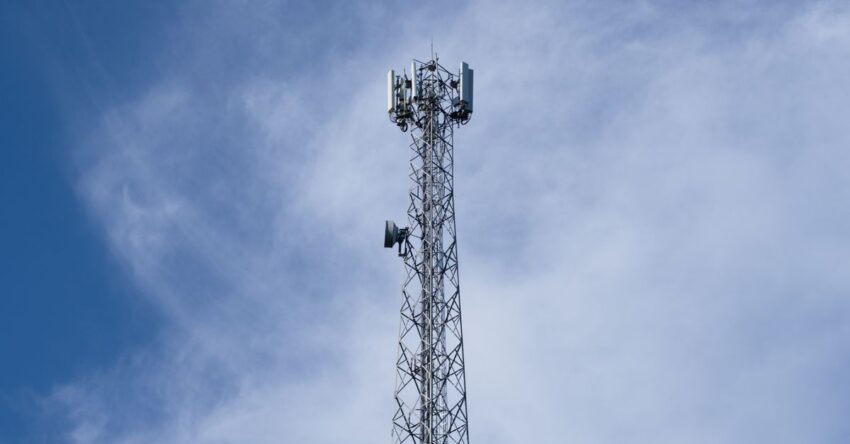
For decades, rural communities have struggled to match the digital experience of their urban counterparts. Expensive fiber routes, limited cellular coverage, and high service costs have left many areas underserved. Recent advances in 5G technology, coupled with mesh networking principles, are changing that landscape. 5G mesh networks combine the speed and low latency of 5G with the flexibility of a self‑healing mesh topology, enabling local, community‑driven connectivity that can be deployed faster and more economically than traditional infrastructure.
1. Understanding 5G Mesh Networks
At its core, a mesh network is a collection of nodes that communicate with one another, relaying data across the network without a single point of failure. When 5G radios are installed on each node, the resulting system can provide gigabit‑per‑second speeds, sub‑10‑millisecond latency, and the robustness needed for critical applications. Unlike conventional 5G base stations that rely on a central tower, mesh nodes act as both transmitters and repeaters, creating a web of interconnected links that can be expanded as needed.
2. How Mesh Works in a 5G Context
2.1 Node Architecture
Each mesh node typically houses a 5G radio, a small‑form‑factor router, and a power source,often solar or battery. The radio connects to the public 5G core network via a backhaul link, which may be a satellite uplink, a dedicated fiber line, or another mesh node. The router then distributes Wi‑Fi or Ethernet to local users.
2.2 Self‑Healing and Redundancy
If a node fails or a link is blocked, the network automatically reroutes traffic through alternative paths. This dynamic path selection reduces downtime and eliminates the need for costly maintenance crews to replace damaged equipment.
2.3 Edge Processing
Many mesh nodes incorporate edge computing capabilities, allowing data to be processed locally before being sent upstream. This reduces latency for applications like video surveillance, remote diagnostics, or local content caching.
3. Benefits for Rural Communities
- Cost Efficiency – Deploying a mesh of small nodes is typically cheaper than laying fiber across long distances.
- Rapid Deployment – Nodes can be installed in weeks, not months, providing near‑immediate connectivity.
- Scalability – Adding new nodes to extend coverage is straightforward, allowing the network to grow with demand.
- Resilience – Self‑healing capabilities mean the network remains operational even when individual nodes fail.
- Local Control – Communities can manage their own network, tailoring bandwidth allocation and security policies to local needs.
4. Deployment Models
4.1 Community‑Owned Mesh
Local cooperatives or non‑profits purchase and maintain the network. This model empowers residents but requires upfront capital and technical expertise.
4.2 Municipal Mesh
City or county governments build the network as part of public works. Funding may come from grants, bonds, or public‑private partnerships.
4.3 Private Enterprise Mesh
Agri‑tech firms, renewable energy providers, or logistics companies deploy mesh networks to support their operations while providing excess capacity to residents.
4.4 Hybrid Models
Combining municipal oversight with private investment can spread risk and leverage complementary strengths.
5. Real‑World Examples
In the rural valleys of northern Germany, a cooperative of farmers installed a 5G mesh to support precision agriculture. The network provided real‑time telemetry for drone‑based crop monitoring and allowed farmers to stream high‑definition video to remote consultants.
In a small town in the Midwest, a municipal partnership with a local telecom provider deployed a mesh network that replaced a single 4G tower. Residents now enjoy speeds comparable to city broadband, and the town has attracted a new remote‑work startup cluster.
On the island of Vanuatu, a community group used solar‑powered 5G mesh nodes to create a resilient network that survived a cyclone, ensuring that emergency services and residents stayed connected during the crisis.
6. Cost Considerations and Funding Options
6.1 Capital Expenditure
Initial costs include purchase of 5G radios, routers, mounting hardware, and installation labor. While each node may cost between $2,000 and $5,000, bulk procurement often reduces the price per unit.
6.2 Operational Expenditure
Ongoing costs encompass backhaul bandwidth, maintenance, and energy. Solar panels and battery backups can lower energy expenses, especially in off‑grid areas.
6.3 Grants and Subsidies
Many governments offer broadband subsidies for rural deployment. Programs such as the U.S. Rural Digital Opportunity Fund or the European Union’s Digital Europe Programme provide funding that can cover a significant portion of the CAPEX.
6.4 Revenue Models
Operators can monetize the network by offering tiered internet plans, selling data to local businesses, or providing edge computing services for IoT deployments.
7. Common Challenges and How to Overcome Them
7.1 Spectrum Management
5G operates in licensed and unlicensed bands. In rural areas, spectrum scarcity can be mitigated by using mid‑band frequencies (e.g., 3.5 GHz) that balance coverage and capacity.
7.2 Interference
Environmental obstacles and competing signals can degrade performance. Conducting a site survey and employing directional antennas help maintain link quality.
7.3 Technical Expertise
Installing and managing 5G mesh requires skilled technicians. Partnerships with local universities or training programs can build the necessary workforce.
7.4 Regulatory Hurdles
Obtaining permits for mounting equipment on public or private property can be time‑consuming. Early engagement with local authorities and clear documentation streamline the process.
8. Policy & Regulatory Landscape
Governments are increasingly recognizing the role of community networks in bridging the digital divide. Policies that allow municipalities to own spectrum, reduce licensing fees, or provide tax incentives can accelerate deployment. In the U.S., the FCC’s Rural Digital Opportunity Fund encourages local partnerships, while in Europe, the Digital Single Market strategy supports community broadband initiatives.
9. Community Involvement and Governance
Successful mesh projects often feature a governance model that balances technical oversight with community representation. Regular town‑hall meetings, transparent budgeting, and open‑source firmware can foster trust and ensure that the network serves local priorities.
9.1 Capacity Building
Workshops on network operation, cybersecurity basics, and data literacy empower residents to participate actively and maintain the network’s health.
9.2 Data Ownership
Clear policies on data ownership and privacy protect residents and encourage adoption. Local control over data routing and storage reduces concerns about external surveillance.
10. Future Trends in 5G Mesh Technology
- Integration with Satellite Constellations – Low‑Earth‑orbit satellites can provide backhaul for remote nodes, further reducing reliance on terrestrial links.
- AI‑Optimized Routing – Machine‑learning algorithms can predict traffic patterns and adjust routing in real time, improving throughput.
- Plug‑and‑Play Modules – Modular hardware designs enable rapid upgrades without replacing entire nodes.
- Enhanced Security Protocols – Zero‑trust mesh authentication and end‑to‑end encryption protect against emerging cyber threats.
- Expanded IoT Ecosystems – Mesh networks can support dense IoT deployments for smart farming, environmental monitoring, and public safety.
11. Actionable Steps for Communities Considering 5G Mesh
- Conduct a Needs Assessment – Identify bandwidth requirements, critical services, and user demographics.
- Perform a Site Survey – Map potential node locations, signal propagation, and backhaul options.
- Explore Funding Opportunities – Apply for grants, negotiate subsidies, or establish a cooperative investment structure.
- Choose the Right Vendor – Evaluate equipment for performance, scalability, and support for open standards.
- Develop a Governance Framework – Define roles, responsibilities, and decision‑making processes.
- Pilot a Small Deployment – Start with a few nodes to test performance and refine the design.
- Scale Gradually – Expand coverage incrementally, incorporating lessons learned from the pilot.
- Establish Maintenance Protocols – Schedule regular inspections, firmware updates, and capacity monitoring.
- Engage the Community – Offer training sessions, create feedback channels, and promote local use cases.
- Monitor Performance Metrics – Track throughput, latency, uptime, and user satisfaction to guide future investments.
12. Conclusion
5G mesh networks offer a compelling blend of speed, resilience, and affordability that can transform rural connectivity. By leveraging community ownership, public‑private partnerships, and innovative technology, rural areas can move beyond the limitations of legacy infrastructure and participate fully in the digital economy. While challenges remain,from spectrum management to technical expertise,clear governance, robust funding models, and a focus on local needs can pave the way for sustainable, high‑quality broadband that empowers residents, businesses, and public services alike.